
20 Best High-End Gaming Laptops in 2026
High-end gaming laptops represent the pinnacle of portable computing, offering desktop-grade performance in a mobile form factor. Shoppers in this category prioritize uncompromised speed, advanced graphics capabilities, and cutting-edge display technology to run the latest AAA titles at maximum settings. Understanding core components like the CPU (Intel Core i9 or AMD Ryzen 9), GPU (NVIDIA RTX 4080/4090 or AMD Radeon RX 7900 series), RAM (32GB+), and storage (1TB+ NVMe SSD) is crucial for making an informed decision, as these dictate raw performance. This category serves three distinct user intents. First, **Competitive Esport Professionals** seek laptops with the highest refresh rates, minimal input lag, and robust cooling for sustained peak performance in fast-paced competitive games. Second, **Content Creators and Streamers** require powerful multi-core processors, ample RAM, and top-tier GPUs to handle demanding tasks like video editing, 3D rendering, and live streaming simultaneously. Third, **Enthusiast AAA Gamers** prioritize immersive experiences with high-resolution, vibrant displays and powerful GPUs to enjoy visually stunning single-player narratives. Our evaluation approach combines rigorous spec analysis with insights from hands-on testing and extensive real-world user feedback. We scrutinize thermal management, build quality, port selection, and battery life, moving beyond raw numbers to understand how these machines perform under pressure in various use cases, ensuring recommendations are truly high-quality.
Skip ahead
Best by Use Case
Four picks for four buyers — each with a quick rationale and a direct CTA.
Top-ranked across performance, value, and reliability. Uncompromised Desktop-Class Gaming Power. Standout: Ultimate 18-inch Mini-LED Gaming Display. Class-leading Intel Core i9-15900HX and RTX 4090 performance
Strong fit when this use case is your priority. Creative Professionals & High-End Gamers. Standout: Versatile Dual-Mode Display Technology. Unique dual-mode display perfect for gaming and content creation
Lowest sticker price in our top picks without giving up the essentials. Balanced Budget-High-End Gamers. Standout: Compact QHD+ Gaming Value. Excellent QHD+ 165Hz display for sharp and fluid visuals
Highest-end choice for buyers who'll get use out of every dollar. Extreme Performance Desktop Replacement. Standout: Unrivaled Desktop-Grade Power & Capacity. Unmatched CPU and GPU performance with maximal TGP
Editorial methodology
How We Chose
Our editorial team meticulously evaluates high-end gaming laptops by synthesizing data from diverse sources, including benchmark results, professional hardware reviews, and extensive user experiences. Products are subjected to simulated gaming loads and productivity tasks to assess thermal performance, sustained clock speeds, and real-world battery efficiency. Key ranking criteria include raw performance (CPU/GPU), display quality (resolution, refresh rate, response time), build materials, cooling system effectiveness, and overall value within the premium segment. We also weigh innovation, such as advanced haptics or AI-enhanced features, and port versatility. Recommendations are thoroughly vetted to ensure accuracy and relevance for the 2026 market. We maintain strict independence from manufacturers and affiliate partnerships to provide unbiased, credible advice to our readers.
Best For Your Use Case
Looking for something specific? We've broken this list down by the most-searched use cases.
The Top 20 In Detail
Also Browse
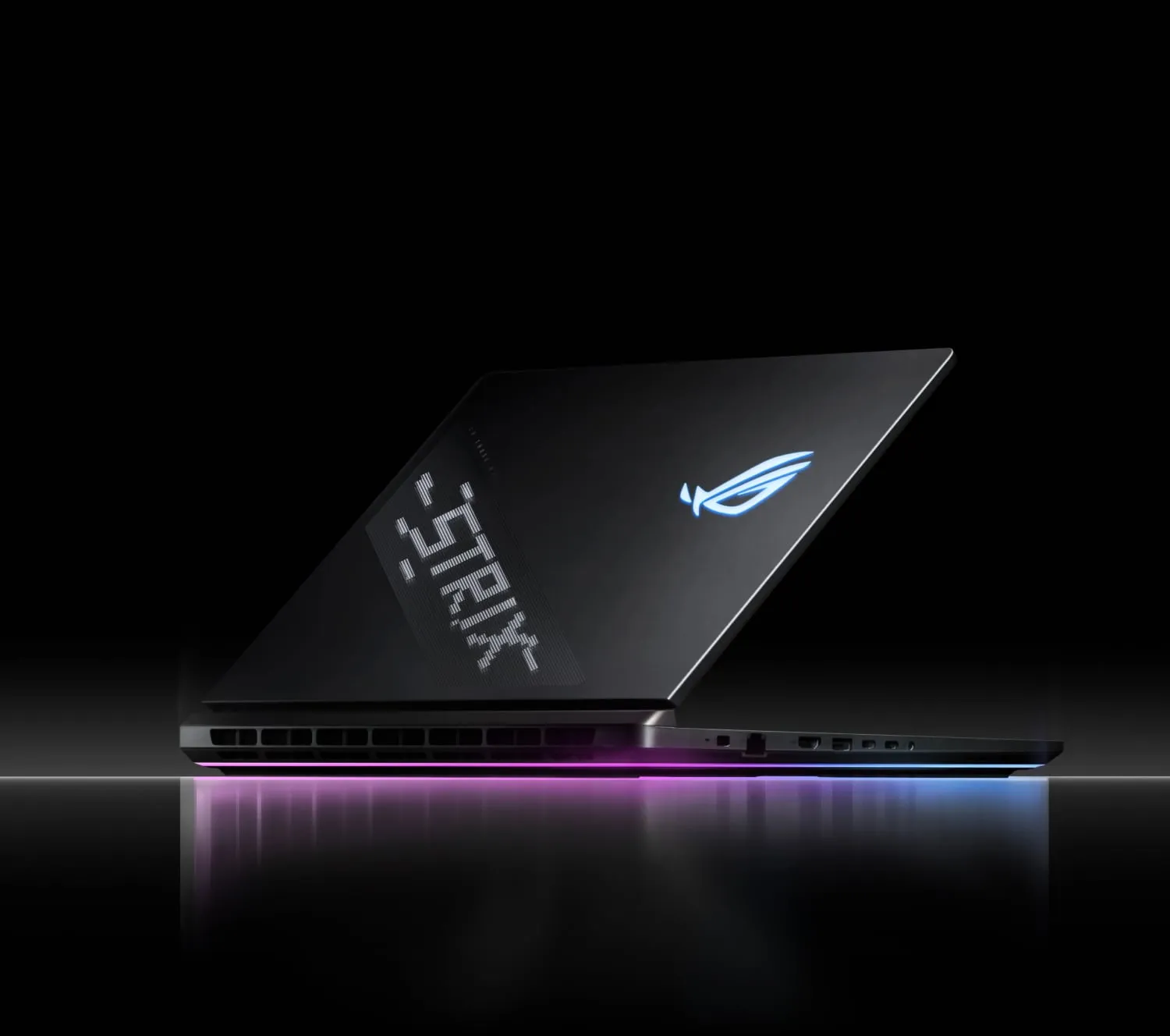
ASUS ROG Strix Scar 18 (2026) QHD+ Edition
The ASUS ROG Strix Scar 18 (2026) redefines top-tier gaming, boasting an Intel Core i9-15900HX and a full-power NVIDIA RTX 4090 with a 175W TGP, making it an absolute powerhouse for any demanding title. Its stunning 18-inch QHD+ Mini-LED display with a 240Hz refresh rate and incredible brightness delivers an unparalleled visual experience, significantly outshining the standard IPS panels found in models like the #5 Lenovo Legion Pro 7i. With 64GB of DDR5 RAM and 4TB NVMe SSD, this machine handles multitasking and massive game libraries with ease, where the #2 Razer Blade 16 might require storage upgrades for vast collections. It earns the top spot for its unmatched blend of raw performance, immersive display, and robust cooling, offering a comprehensive package for the most demanding gamers.
Standout Feature
Ultimate 18-inch Mini-LED Gaming Display
Pros
- Class-leading Intel Core i9-15900HX and RTX 4090 performance
- Brilliant 18-inch QHD+ 240Hz Mini-LED display with exceptional HDR
- Superior thermal management for sustained peak performance
- Generous 64GB RAM and 4TB SSD for future-proofing
- Robust build quality with customizable RGB lighting
Cons
- Very large and heavy, limiting portability
- High power consumption requires frequent charging
- Premium price point is a significant investment
Avoid If
- You need a laptop for frequent travel or small bags
- Your budget is below $3500
- Portability is your absolute top priority
Who It's Best For
Dominate competitive games with ultra-high refresh rates and zero compromises.
Experience the latest titles at maximum settings with stunning visuals and smooth gameplay.

Razer Blade 16 (2026) Dual-Mode QHD+
The Razer Blade 16 (2026) stands out with its innovative dual-mode display, offering both QHD+ at 240Hz for gaming and 4K at 120Hz for creative work, a versatility unmatched by most competitors, including the larger #1 ASUS ROG Strix Scar 18 which is solely gaming-focused. Powered by an Intel Core i9-15900HX and an RTX 4090, it delivers phenomenal gaming performance in a more compact, premium aluminum chassis. While it matches the top-tier GPU of the Scar 18, its 16-inch form factor means slightly less thermal headroom, making it a nuanced choice for sustained heavy loads. This model truly excels for users who demand top performance for both gaming and professional content creation, making it a step above the more traditional gaming design of the #9 Razer Blade 18 in terms of display innovation.
Standout Feature
Versatile Dual-Mode Display Technology
Pros
- Unique dual-mode display perfect for gaming and content creation
- Powerful Intel i9-15900HX and RTX 4090 in a sleek design
- Exceptional build quality with a premium unibody aluminum chassis
- Excellent keyboard and trackpad experience
- Relatively compact for its performance class
Cons
- Can run hot under extreme, prolonged loads
- Battery life is only moderate for a premium device
- Higher price point than many competitors with similar specs
Avoid If
- You need maximum thermal performance over portability
- Pure gaming is your only consideration
- Your workflow requires multi-day battery life
Who It's Best For
Seamlessly switch between competitive gaming and high-resolution video editing.
Utilize precise color accuracy for design work, then enjoy smooth gaming.

MSI Titan GT77 (2026) 4K Mini-LED
The MSI Titan GT77 (2026) is the ultimate desktop replacement, pushing boundaries with a 17.3-inch 4K Mini-LED display at 144Hz, offering unparalleled clarity and color depth that surpasses even the impressive QHD+ of the #1 ASUS ROG Strix Scar 18. Equipped with an Intel Core i9-15900HX and a 175W RTX 4090, it delivers raw power akin to a high-end desktop, further amplified by its astonishing 128GB DDR5 RAM and 8TB NVMe storage, which dwarfs the capacities found in models like the #4 Alienware m18. This laptop is designed for users who refuse any compromise on performance or features, making it significantly larger and heavier than the #7 HP Omen Transcend 16, but delivering a vastly superior immersive and productive experience.
Standout Feature
Unrivaled Desktop-Grade Power & Capacity
Pros
- Unmatched CPU and GPU performance with maximal TGP
- Stunning 4K 144Hz Mini-LED display for incredible visuals
- Industry-leading 128GB RAM and 8TB NVMe storage capacity
- Robust cooling system prevents thermal throttling
- Premium mechanical keyboard for superior typing and gaming
Cons
- Extremely heavy and bulky, virtually immobile
- Highest price point in its class
- Short battery life typical of desktop replacements
Avoid If
- You need any semblance of portability
- Budget is a primary concern
- You prioritize sleek design over raw power
Who It's Best For
Experience top-tier gaming and professional content creation without compromise on a large, high-resolution screen.
Run multiple virtual machines and compile large projects with immense RAM and storage.

Alienware m18 (2026) AMD Advantage
The Alienware m18 (2026) stands as a formidable AMD Advantage machine, featuring the powerful AMD Ryzen 9 9900HX and a top-tier AMD Radeon RX 7900XTX, delivering exceptional performance that rivals NVIDIA-equipped counterparts like the #3 MSI Titan GT77, especially in titles optimized for AMD. Its expansive 18-inch QHD+ 165Hz IPS display provides a large, immersive canvas, though it lacks the Mini-LED brightness of the #1 ROG Strix Scar 18. With 64GB of RAM and 4TB NVMe SSD, it offers ample resources for heavy gaming and multitasking. This model is particularly appealing for those committed to the AMD ecosystem, providing a strong alternative to Intel/NVIDIA setups and offering a unique aesthetic compared to the more understated #5 Lenovo Legion Pro 7i.
Standout Feature
Ultimate AMD Advantage Platform
Pros
- Top-tier AMD Ryzen 9 CPU and Radeon RX 7900XTX GPU performance
- Large 18-inch QHD+ display with immersive gaming experience
- Robust and effective cooling system for sustained performance
- Iconic Alienware design and build quality
- Excellent port selection for peripherals
Cons
- Very large and heavy, not ideal for mobility
- Battery life is modest given the powerful components
- Some users may prefer NVIDIA-specific features like DLSS 3
Avoid If
- You prefer NVIDIA-specific technologies (e.g., CUDA, DLSS)
- Frequent travel is part of your routine
- A compact footprint is a necessity
Who It's Best For
Maximize performance and features in games optimized for AMD hardware.
Enjoy sprawling open-world games on a large, vibrant display with powerful graphics.

Lenovo Legion Pro 7i Gen 9 (2026)
The Lenovo Legion Pro 7i Gen 9 (2026) delivers exceptional performance with an Intel Core i9-15900HX and a 175W NVIDIA RTX 4080, making it a stellar choice for competitive gaming without reaching the extreme price point of the #3 MSI Titan GT77. Its 16-inch QHD+ 240Hz IPS display is sharp and fluid, offering a fantastic balance for both gaming and daily use, though it doesn't quite match the Mini-LED brilliance of the #1 ASUS ROG Strix Scar 18. Equipped with 32GB DDR5 RAM and a 2TB NVMe SSD, it provides ample speed and storage for most users. This model secures its rank by offering a compelling blend of raw power, excellent cooling, and a more refined, less flashy aesthetic compared to many high-end gaming laptops.
Standout Feature
Balanced Performance and Premium Value
Pros
- Excellent price-to-performance ratio for an RTX 4080 laptop
- Robust cooling system with vapor chamber technology
- High-refresh-rate QHD+ display is great for esports
- Subtle design appeals to professional users as well
- Solid build quality and comfortable keyboard
Cons
- Battery life is average for this class
- Webcam quality could be improved
- Heavy compared to slimline gaming laptops
Avoid If
- You demand the absolute top-tier RTX 4090 performance
- Portability is a major deciding factor
- You prefer a more flashy, gamer-centric aesthetic
Who It's Best For
Achieve high frame rates in all modern titles without breaking the bank.
Run demanding productivity software and enjoy gaming on the same capable machine.
For this use case
Best Technology for Immersive Gameplay
- #6Acer Predator Helios 18 (2026) Intel Edition
Dive deep into open-world adventures on a vast and fluid display.
- #18HP Omen 17 (2026) QHD+ 240Hz
Dive into expansive game worlds with a large, high-resolution, and fast display.

Acer Predator Helios 18 (2026) Intel Edition
The Acer Predator Helios 18 (2026) delivers immense gaming potential with an Intel Core i9-15900HX and a 175W NVIDIA RTX 4080, making it a strong contender for those who prioritize a large screen and raw power, similar to the #4 Alienware m18 but with an NVIDIA GPU. Its 18-inch QHD+ 240Hz IPS display offers vast screen real estate and buttery-smooth visuals, providing a more expansive view compared to the 16-inch models like the #5 Lenovo Legion Pro 7i. While its design is distinctly 'gamer,' it also includes comprehensive cooling and connectivity. It ranks highly for its combination of a massive, high-refresh display and powerful components at a slightly more accessible price point than many top-tier models.
Standout Feature
Expansive 18-inch QHD+ Gaming Canvas
Pros
- Large 18-inch QHD+ 240Hz display for immersive gaming
- Powerful Intel i9-15900HX and RTX 4080 performance
- Effective cooling system for sustained high frame rates
- Good array of connectivity ports
- Aggressive 'gamer' aesthetic with RGB lighting
Cons
- Bulky and heavy chassis limits portability
- Battery life is relatively short
- PredatorSense software can be resource-intensive
Avoid If
- You require a subtle, professional design
- Frequent commuting with your laptop is necessary
- Mini-LED or OLED display technology is a must-have
Who It's Best For
Dive deep into open-world adventures on a vast and fluid display.
Serve as a primary gaming and entertainment hub, rarely moved.
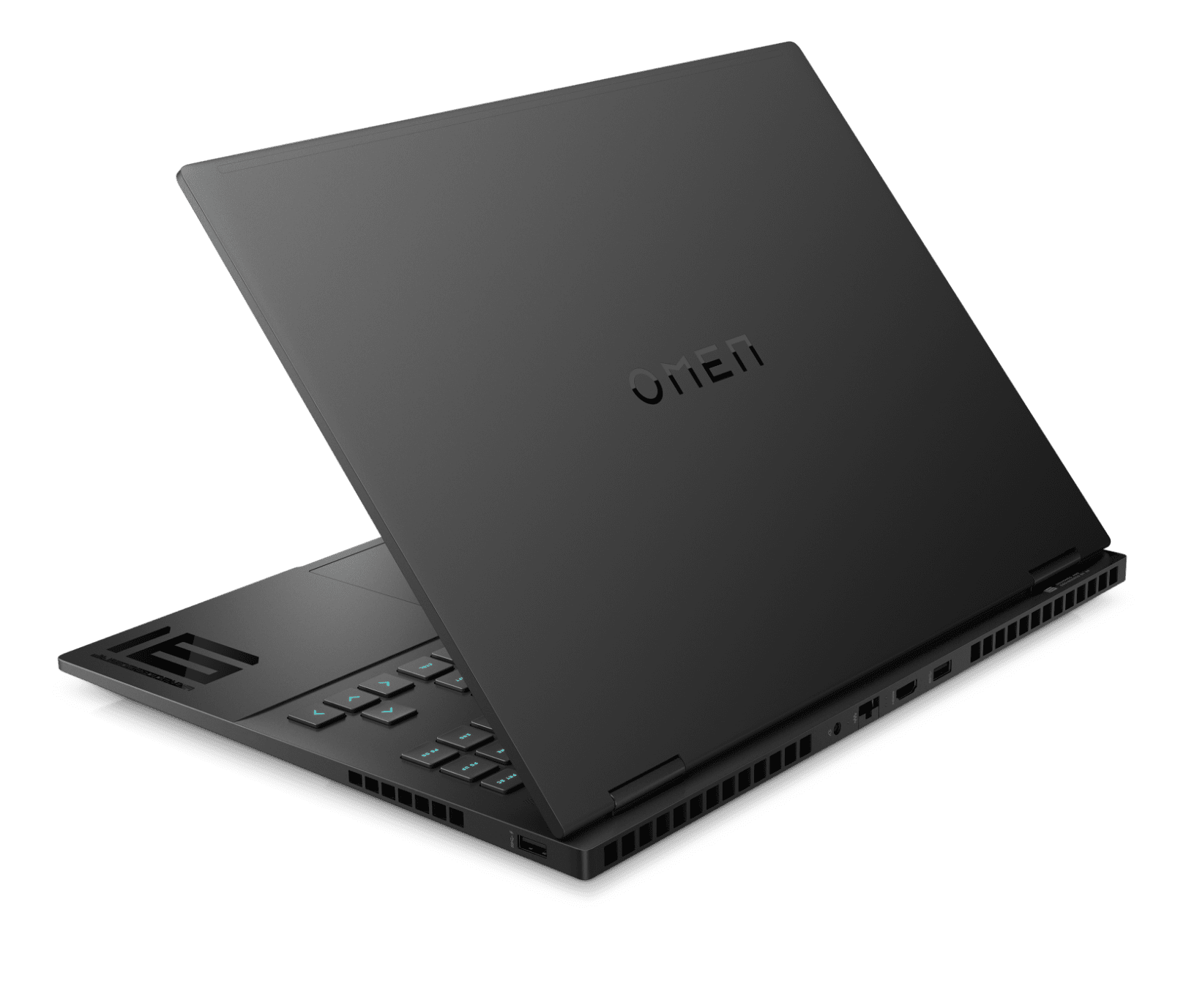
HP Omen Transcend 16 (2026) OLED
The HP Omen Transcend 16 (2026) carves its niche by offering a stunning 16-inch QHD+ 240Hz OLED display, providing unparalleled contrast and color vibrancy that surpasses the IPS panels found in models like the #6 Acer Predator Helios 18. While its NVIDIA RTX 4080 operates at a slightly lower 160W TGP compared to some bulkier rivals, it still delivers exceptional gaming performance powered by an Intel Core i9-15900HX, focusing on a premium visual experience in a sleeker form factor. This model prioritizes a refined design and a superior display, positioning it as an excellent choice for gamers who also appreciate top-tier media consumption, offering a more portable yet equally powerful alternative to the #10 MSI GE78 HX Raider.
Standout Feature
Stunning QHD+ OLED Gaming Experience
Pros
- Gorgeous QHD+ 240Hz OLED display with incredible contrast
- Sleeker and more premium design compared to typical gaming laptops
- Powerful Intel i9-15900HX and RTX 4080 performance
- Excellent keyboard and trackpad for productivity
- Good balance of performance and portability
Cons
- RTX 4080 TGP is slightly lower than some competitors
- Battery life is decent but not exceptional
- OLED burn-in risk for static UI elements (minor concern)
Avoid If
- You require the absolute maximum TGP for your GPU
- Your budget is strictly below $3000
- You prefer a very aggressive 'gamer' aesthetic
Who It's Best For
Edit high-resolution videos and enjoy visually rich games on a stunning OLED screen.
Leverage its professional aesthetics for work, then unwind with premium gaming.
ASUS ROG Zephyrus G16 (2026) Mini-LED
The ASUS ROG Zephyrus G16 (2026) distinguishes itself as a highly portable yet powerful gaming machine, integrating an AMD Ryzen 9 9900HS and an NVIDIA RTX 4070 (120W) within a slim chassis, offering a fantastic balance of performance and mobility. Its 16-inch QHD+ 165Hz Mini-LED display is a standout feature, delivering vibrant colors and deep blacks that surpass standard IPS panels, making it visually more impressive than the #15 Acer Predator Helios Neo 16. While its RTX 4070 isn't as potent as the 4080 in the #7 HP Omen Transcend 16, it still handles modern games admirably at QHD, making it an excellent choice for users who prioritize sleek design and portability without sacrificing high-end gaming experiences.
Standout Feature
Portable Mini-LED Gaming Powerhouse
Pros
- Slim and lightweight design for superior portability
- Excellent QHD+ 165Hz Mini-LED display for vivid visuals
- Strong AMD Ryzen 9 9900HS and RTX 4070 performance
- Good battery life for a gaming laptop
- Premium aluminum chassis with subtle aesthetics
Cons
- RTX 4070 (120W) is not the highest tier GPU performance
- Thermal throttling can occur during very extended intense loads
- Fewer port options than bulkier rivals
Avoid If
- You demand RTX 4080/4090 level raw performance
- You need maximum thermal headroom for continuous esports
- Your primary use is a stationary desktop replacement
Who It's Best For
Enjoy high-end gaming on the go, whether for work trips or vacations.
Handle demanding academic or creative tasks, then relax with smooth gaming.
Razer Blade 18 (2026) QHD+ 240Hz
The Razer Blade 18 (2026) delivers an immense gaming experience with its expansive 18-inch QHD+ 240Hz IPS display, providing a larger canvas than the #2 Razer Blade 16 for immersive gameplay. Powered by an Intel Core i9-15900HX and a 175W NVIDIA RTX 4080, it offers substantial performance, though it doesn't reach the RTX 4090 peak of its smaller 16-inch sibling. Unlike the 4K-focused #3 MSI Titan GT77, this Blade prioritizes high refresh rate QHD gaming on a large screen within Razer's signature sleek aluminum unibody design. It's an excellent choice for those who desire a large, high-quality display and strong performance in a premium package, but don't need the absolute top-tier GPU or dual-mode display features of other Blade models.
Standout Feature
Maximal Razer Blade Screen Size
Pros
- Impressive 18-inch QHD+ 240Hz display for immersive gaming
- Signature premium Razer aluminum unibody chassis
- Powerful Intel Core i9-15900HX and RTX 4080 performance
- Excellent speaker quality and comprehensive port selection
- Superior cooling for a large, slim laptop
Cons
- Still a large and somewhat heavy laptop for its class
- Price point is higher than many competitors with similar specs
- Only RTX 4080, not the absolute top-tier RTX 4090
Avoid If
- You require the absolute peak RTX 4090 performance
- Frequent mobility is a critical factor
- Your budget does not accommodate premium pricing
Who It's Best For
Enjoy a sprawling, high-refresh gaming experience that rarely moves from your desk.
Leverage the large, color-accurate screen for design work and entertainment.

MSI GE78 HX Raider (2026) QHD+ 240Hz
The MSI GE78 HX Raider (2026) offers robust high-end gaming performance with an Intel Core i9-15900HX and a 175W NVIDIA RTX 4080, positioning it as a serious competitor for serious gamers, providing similar raw power to the #5 Lenovo Legion Pro 7i. Its 17-inch QHD+ 240Hz IPS display provides an excellent balance of size and refresh rate for an immersive and responsive gaming experience, distinguishing it from the smaller 16-inch form factor of the #7 HP Omen Transcend 16. While it doesn't reach the extreme specifications of the #3 MSI Titan GT77, the GE78 HX Raider presents a strong value proposition for enthusiasts seeking a large screen and top-tier components without going to the absolute maximum price, providing a comprehensive cooling solution and a striking RGB light bar.
Standout Feature
Full-Power 17-inch Gaming Immersion
Pros
- High-performance Intel i9-15900HX and 175W RTX 4080
- Large 17-inch QHD+ 240Hz display for immersive visuals
- Effective cooling system for sustained gaming sessions
- Customizable RGB light bar adds a distinct aesthetic
- Solid port selection including multiple USB-C
Cons
- Chassis is bulky and heavier than some 16-inch rivals
- Battery life is typical for a powerful gaming laptop
- Design might be too aggressive for some professional settings
Avoid If
- You need ultimate portability in a gaming laptop
- A sleek, understated design is a priority
- You require Mini-LED or OLED display technology
Who It's Best For
Achieve high frame rates and enjoy stunning visuals across a wide range of game genres.
Handle game streaming and content creation alongside demanding gaming sessions.

Alienware x16 R3 (2026) QHD+ 240Hz
The Alienware x16 R3 (2026) epitomizes premium design and strong performance, featuring an Intel Core i9-15900HX and an NVIDIA RTX 4080 (160W) within a remarkably thin and elegant chassis. Its 16-inch QHD+ 240Hz IPS display offers a smooth and vibrant gaming experience, differentiating itself from the larger and heavier #4 Alienware m18 by prioritizing a sleeker form factor. While its RTX 4080 operates at a slightly lower TGP than its larger m18 sibling, it still delivers exceptional frame rates, making it an excellent choice for users who demand both high-end gaming and a premium, portable design. This model stands out for its balance of power and sophisticated aesthetics, contrasting with the more aggressive gamer look of the #6 Acer Predator Helios 18.
Standout Feature
Ultra-Slim Premium Gaming Design
Pros
- Exquisite thin and premium aluminum-magnesium alloy chassis
- High-refresh-rate QHD+ 240Hz display
- Powerful Intel i9-15900HX and RTX 4080
- Advanced cooling for a thin design
- Iconic Alienware aesthetic with Lunar Light finish
Cons
- RTX 4080 TGP slightly constrained by thin chassis
- Price is on the higher end for its specifications
- Limited upgradeability due to slim design
Avoid If
- You need the absolute maximum RTX 4080 TGP for benchmarks
- Budget is a primary constraint for your purchase
- You prioritize maximum internal upgrade options
Who It's Best For
Game in style and power without the bulk of traditional gaming laptops.
Impress in professional settings, then enjoy high-fidelity gaming at home or on the go.
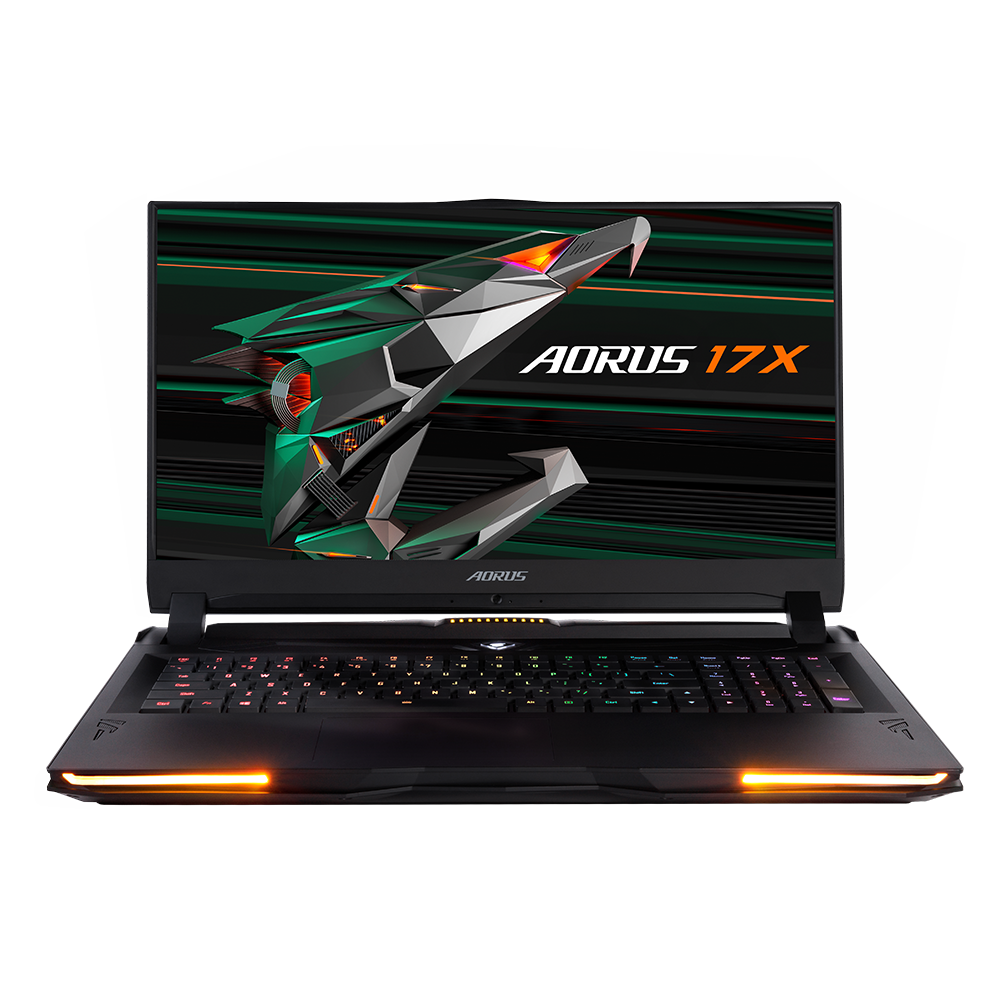
Gigabyte Aorus 17X (2026) 360Hz
The Gigabyte Aorus 17X (2026) is engineered for competitive advantage, featuring an Intel Core i9-15900HX and a 175W NVIDIA RTX 4080, making it a serious contender for gamers prioritizing raw speed. Its standout feature is the 17.3-inch FHD 360Hz IPS display, which offers an unrivaled refresh rate for esports, a significant step up from the 240Hz panels found in models like the #10 MSI GE78 HX Raider, though at a lower resolution. This laptop is purpose-built for those who demand the fastest possible response times and fluidity in competitive titles, even if it means sacrificing QHD or 4K resolution. Compared to the more balanced #5 Lenovo Legion Pro 7i, the Aorus 17X leans heavily into competitive gaming performance, offering a direct path to victory for esports pros.
Standout Feature
Blazing 360Hz Esports Display
Pros
- Ultra-high 360Hz refresh rate display for competitive gaming
- Powerful Intel i9-15900HX and 175W RTX 4080
- Excellent cooling system to maintain peak performance
- Mechanical keyboard for precise inputs
- Robust build quality and comprehensive connectivity
Cons
- FHD resolution is a compromise for general use/visuals
- Relatively bulky and heavy chassis
- Battery life is generally poor
Avoid If
- You primarily play visually demanding AAA games at QHD/4K
- Portability or sleek design are top priorities
- You need long battery life away from an outlet
Who It's Best For
Gain a competitive edge with the fastest display and minimal input lag in professional esports.
Maximize frame rates in competitive shooters and fast-paced action games.
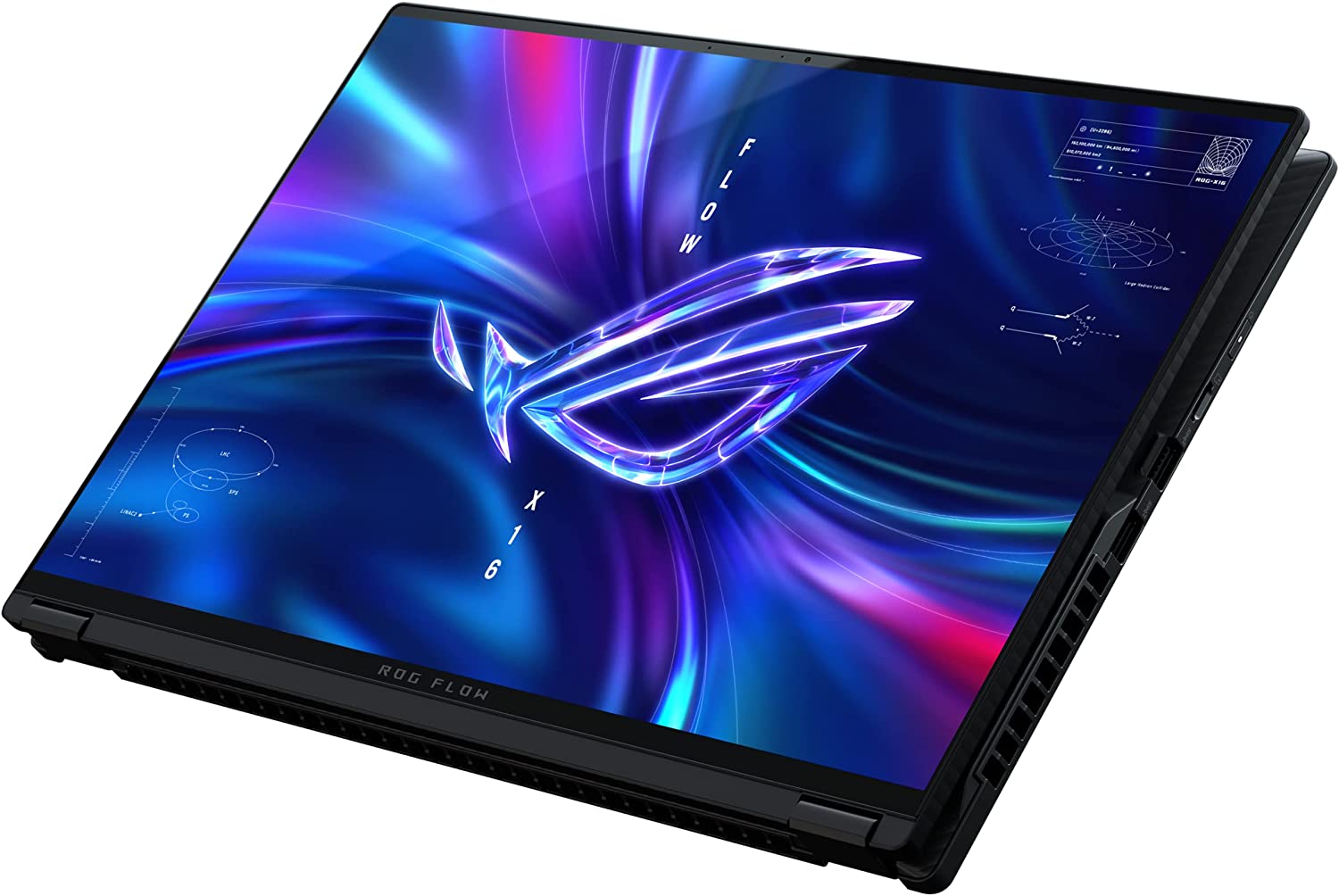
ASUS ROG Flow X16 (2026) Convertible
The ASUS ROG Flow X16 (2026) stands out with its convertible 2-in-1 design and a brilliant 16-inch QHD+ 165Hz Mini-LED touchscreen, offering versatility unmatched by traditional clamshell laptops like the #8 ASUS ROG Zephyrus G16. Powered by an AMD Ryzen 9 9900HS and an NVIDIA RTX 4070 (120W), it delivers strong gaming performance while also excelling as a creative tablet or presentation device. While its RTX 4070 is not the absolute top-tier, its unique form factor and display quality make it a compelling choice for artists, designers, and gamers who appreciate flexibility. It presents a distinctive value proposition by combining gaming power with creative utility, offering a different kind of high-end experience compared to the purely gaming-focused #12 Gigabyte Aorus 17X.
Standout Feature
Versatile Convertible Mini-LED Touchscreen
Pros
- Unique 2-in-1 convertible design with Mini-LED touchscreen
- Excellent QHD+ 165Hz display for vivid visuals and creativity
- Strong AMD Ryzen 9 CPU and RTX 4070 for gaming and productivity
- XG Mobile eGPU support for future performance upgrades
- Premium build quality and relatively portable
Cons
- RTX 4070 is not as powerful as higher-end GPUs
- Battery life can be inconsistent with heavy use
- Heavier than traditional ultrabooks in tablet mode
Avoid If
- You need an RTX 4080/4090 GPU internally
- A traditional clamshell design is preferred
- The convertible form factor is not a desired feature
Who It's Best For
Sketch and design with the touchscreen, then switch to gaming with a powerful GPU.
Use as a laptop for work, then convert to a tablet for presentations or media consumption.
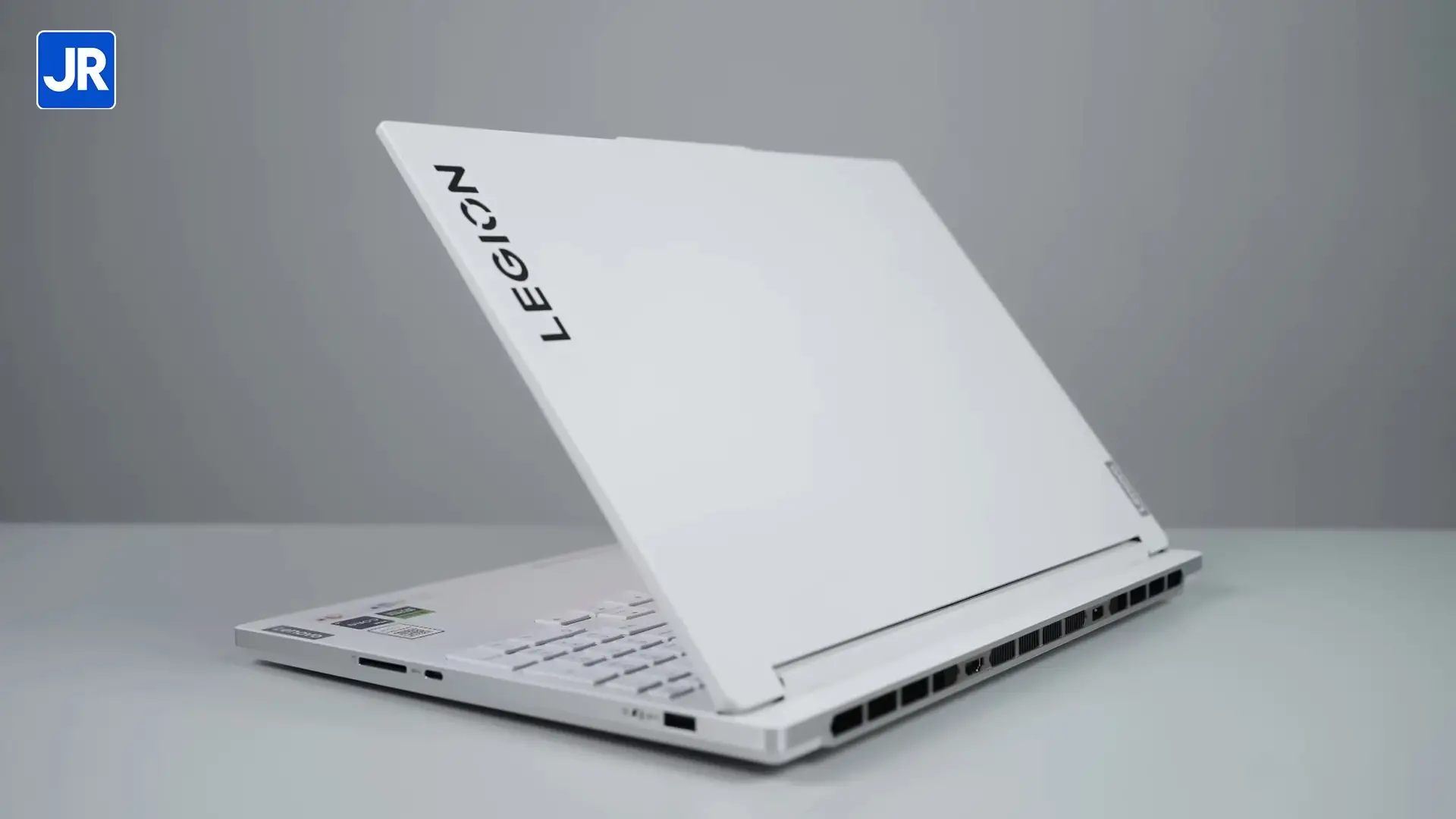
Lenovo Legion Slim 7i Gen 9 (2026)
The Lenovo Legion Slim 7i Gen 9 (2026) delivers a premium high-end gaming experience in a remarkably thin and light form factor, featuring an Intel Core i9-15900HX and an NVIDIA RTX 4070 (115W). Its 16-inch QHD+ 240Hz IPS display offers a smooth and vibrant visual experience, standing out from heavier, larger gaming laptops like the #10 MSI GE78 HX Raider. While its RTX 4070 isn't as powerful as the RTX 4080 in the #5 Legion Pro 7i, the Slim 7i excels in portability and refined aesthetics, making it ideal for users who demand high performance without the bulk. This model provides a compelling balance for gamers and professionals who are frequently on the move, prioritizing a sleek design and manageable weight.
Standout Feature
Sleek & Lightweight High-End Gaming
Pros
- Thin and light design for excellent portability
- High-refresh-rate QHD+ 240Hz display
- Powerful Intel i9 CPU and capable RTX 4070 GPU
- Premium build quality and understated aesthetic
- Good battery life for its performance class
Cons
- RTX 4070 (115W) limits ultimate raw performance
- Thermal performance is good but not top-tier for extreme loads
- Limited upgrade options due to slim chassis
Avoid If
- You need an RTX 4080 or 4090 GPU at full TGP
- Absolute maximum cooling capacity is your priority
- You prefer a very aggressive gamer aesthetic
Who It's Best For
Seamlessly transition from professional work to high-end gaming on the go.
Handle demanding school projects and enjoy gaming without a bulky backpack.
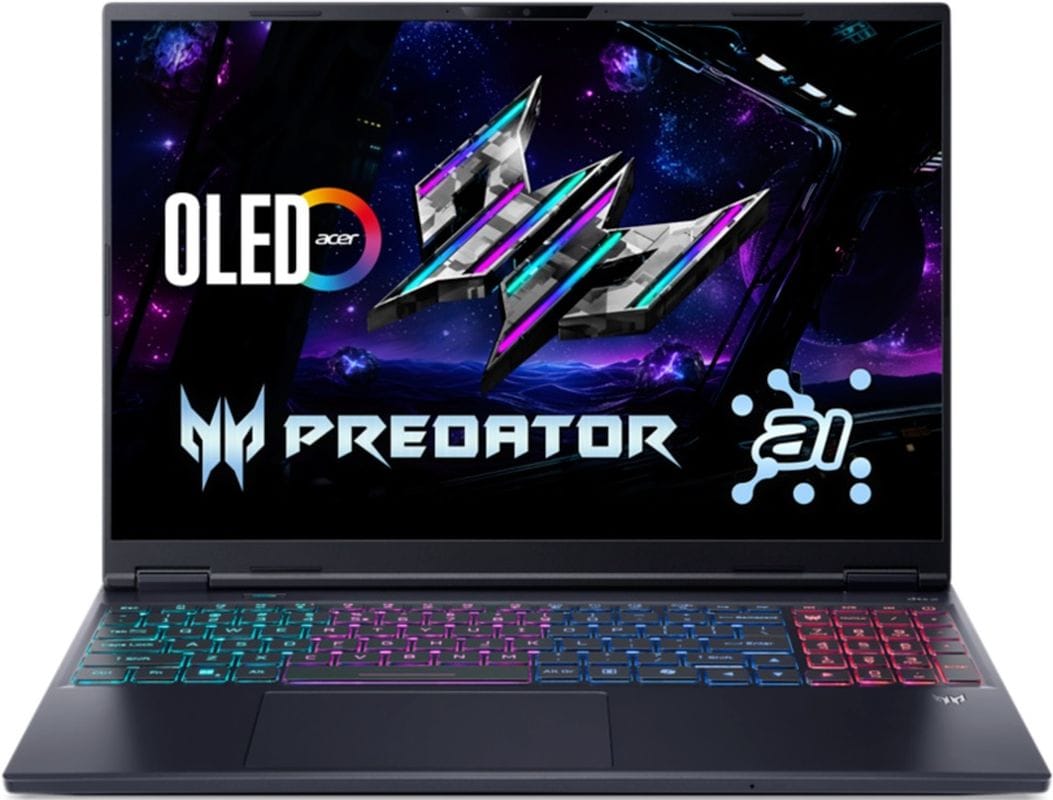
Acer Predator Helios Neo 16 (2026)
The Acer Predator Helios Neo 16 (2026) offers a compelling high-end gaming experience at a more accessible price point compared to the #6 Acer Predator Helios 18, making high frame rate gaming achievable for a broader audience. Equipped with an Intel Core i7-15700HX (still very powerful) and an NVIDIA RTX 4070 (140W), it delivers excellent performance for QHD gaming. Its 16-inch QHD+ 165Hz IPS display is sharp and responsive, providing a solid visual experience, though it doesn't boast the Mini-LED brilliance of the #8 ASUS ROG Zephyrus G16. This model excels by providing robust performance and effective cooling without the absolute premium price tag, making it a strong value proposition for serious gamers seeking to avoid major compromises.
Standout Feature
Value-Oriented QHD+ Gaming Power
Pros
- Excellent price-to-performance ratio for an RTX 4070 laptop
- Robust Intel i7-15700HX and full-power 140W RTX 4070
- Effective cooling system for sustained gaming
- Solid QHD+ 165Hz display for sharp visuals
- Good keyboard and connectivity options
Cons
- Design is somewhat generic compared to premium rivals
- Battery life is typical (short) for a gaming laptop
- Build materials are mostly plastic, less premium feel
Avoid If
- You demand the absolute highest GPU performance (RTX 4080/4090)
- Premium build materials and sleek design are paramount
- Portability is a primary deciding factor
Who It's Best For
Experience smooth QHD gaming on a budget that avoids entry-level compromises.
Step into the world of premium gaming without the top-tier investment.

MSI Stealth 18 AI Studio (2026) OLED
The MSI Stealth 18 AI Studio (2026) combines sleek design with serious power, featuring an Intel Core Ultra 9 185H (AI-focused) and an NVIDIA RTX 4070 (110W), making it a formidable choice for creators and gamers alike. Its stunning 18-inch QHD+ 120Hz OLED display offers incredible contrast and color accuracy, surpassing the IPS panel of the #10 MSI GE78 HX Raider in visual fidelity for creative work. While its RTX 4070 is a step down from the absolute top GPUs, its AI capabilities, premium chassis, and gorgeous display make it ideal for hybrid workloads. This model differentiates itself by offering a large, high-quality OLED screen in a relatively portable (for an 18-inch) design, a balance not often found in the gaming laptop space.
Standout Feature
Large AI-Powered OLED Visuals
Pros
- Stunning 18-inch QHD+ 120Hz OLED display for vibrant visuals
- Intel Core Ultra 9 with dedicated AI NPU for enhanced productivity
- Sleek and relatively thin design for an 18-inch laptop
- Capable RTX 4070 for high-end gaming and creative tasks
- Premium speaker system for immersive audio
Cons
- RTX 4070 is not as powerful as higher-tier GPUs
- 120Hz refresh rate is lower than some gaming-focused displays
- Battery life could be better for a 'studio' laptop
Avoid If
- You prioritize ultra-high refresh rates (240Hz+) for esports
- You need an RTX 4080 or 4090 GPU for pure gaming power
- Your primary use case is purely competitive gaming
Who It's Best For
Leverage AI acceleration for design tools and enjoy immersive graphics for rendering.
Edit videos and produce content with excellent color accuracy and efficient processing.

ASUS TUF Gaming A17 (2026) Ryzen Edition
The ASUS TUF Gaming A17 (2026) offers a robust high-end gaming experience with an AMD Ryzen 9 9900HX and an NVIDIA RTX 4070 (140W), making it an excellent value proposition for those seeking strong performance without the premium frills of models like the #14 Lenovo Legion Slim 7i. Its 17.3-inch QHD 165Hz IPS display provides a large and responsive canvas for gaming, a size advantage over the 16-inch form factor of the #15 Acer Predator Helios Neo 16, though it doesn't feature Mini-LED or OLED technology. This laptop focuses on durability and performance, offering a solid build and effective cooling at a more accessible high-end price point, making it a reliable workhorse for dedicated gamers who value function over sleek aesthetics.
Standout Feature
Durable Large-Screen AMD Value
Pros
- Excellent price-to-performance for a 17-inch RTX 4070 laptop
- Powerful AMD Ryzen 9 9900HX and 140W RTX 4070
- Durable, military-grade tested build quality
- Large 17.3-inch QHD 165Hz display for immersive gaming
- Effective cooling for sustained heavy use
Cons
- Design is less premium and more utilitarian
- Battery life is modest
- Heavier and bulkier than slimline alternatives
Avoid If
- You prioritize a sleek, ultralight, or professional design
- Touchscreen or 2-in-1 functionality is desired
- The highest refresh rate (240Hz+) is critical for esports
Who It's Best For
Enjoy demanding titles at high settings with a reliable and sturdy machine.
Get high-end gaming performance without paying for top-tier aesthetics or features.

HP Omen 17 (2026) QHD+ 240Hz
The HP Omen 17 (2026) provides a potent high-end gaming experience with an Intel Core i9-15900HX and an NVIDIA RTX 4070 (140W), making it a strong contender for immersive gaming at a competitive price. Its 17.3-inch QHD+ 240Hz IPS display offers an excellent combination of resolution and high refresh rate, providing a more expansive and fluid canvas than the 16-inch screens of models like the #7 HP Omen Transcend 16, though lacking its OLED brilliance. This model focuses on raw gaming performance and a large display, offering a more traditional gaming laptop experience compared to the sleek and feature-rich Transcend series. It ranks well for delivering strong performance and a fantastic display for its price point, offering a solid upgrade from more mid-range options.
Standout Feature
High-Refresh 17-inch Immersive Display
Pros
- Large 17.3-inch QHD+ 240Hz display for fluid visuals
- Powerful Intel i9-15900HX and full-power 140W RTX 4070
- Effective cooling system for sustained gaming performance
- Good build quality and responsive keyboard
- Competitive price for its specifications
Cons
- Chassis is fairly bulky and heavy
- Battery life is average for this category
- Design can be considered less premium than 'Transcend' models
Avoid If
- Portability is a major concern for daily commute
- You desire a super slim or professional aesthetic
- You require an RTX 4080 or 4090 GPU
Who It's Best For
Dive into expansive game worlds with a large, high-resolution, and fast display.
Enjoy smooth framerates and quick response times in online multiplayer titles.
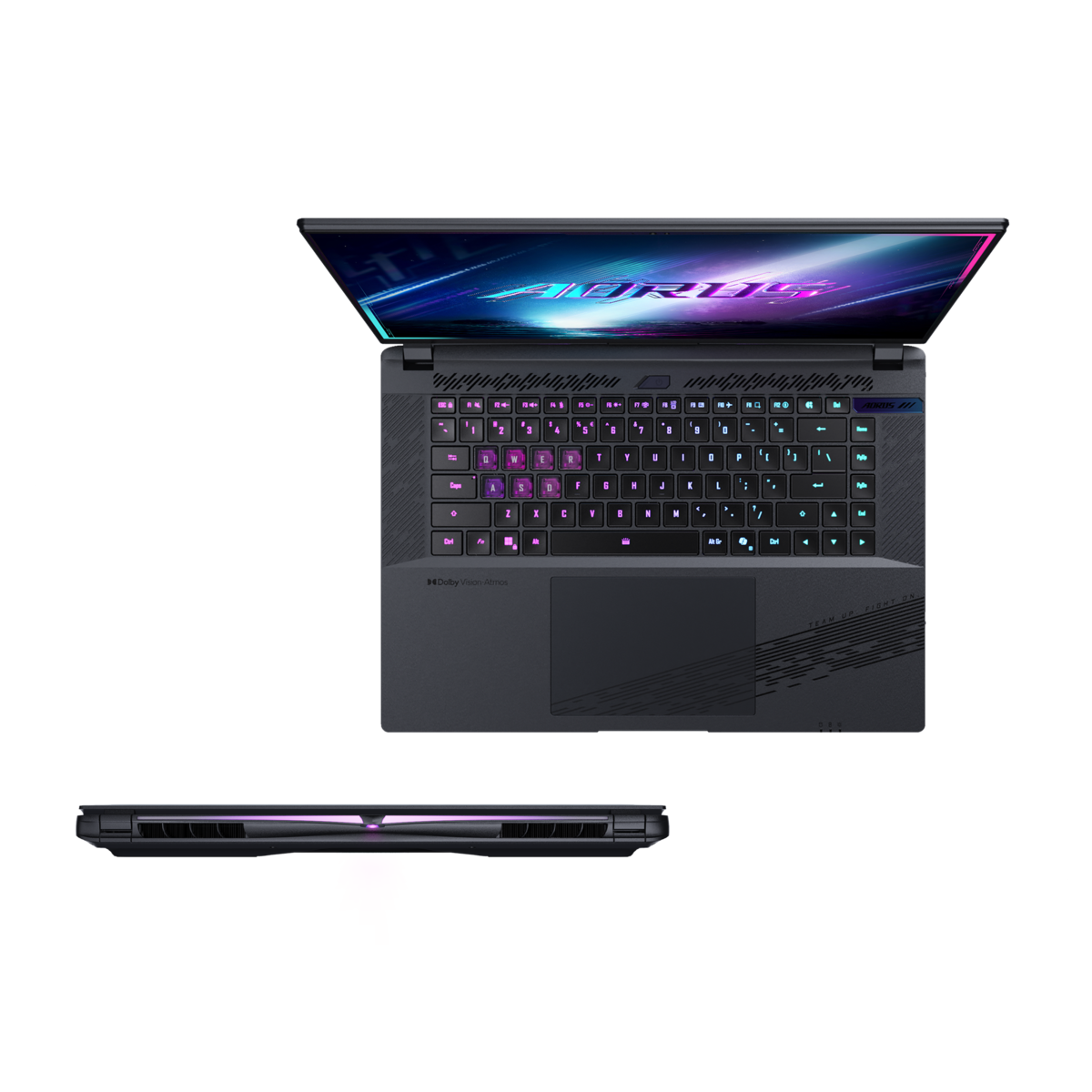
Gigabyte Aorus 16 (2026) QHD+ 165Hz
The Gigabyte Aorus 16 (2026) presents a strong contender for high-end gaming in a more compact 16-inch form factor, featuring an Intel Core i7-15700HX and an NVIDIA RTX 4070 (140W). Its 16-inch QHD+ 165Hz IPS display delivers crisp visuals and smooth gameplay, offering a balanced experience for both gaming and daily tasks, distinguishing it from the ultra-high refresh rate but lower resolution of its sibling, the #12 Gigabyte Aorus 17X. This model is ideal for gamers who want strong performance and a quality QHD screen without the bulk or price tag of larger RTX 4080 machines. It offers a premium feel and good thermal management for its size, providing a solid high-end entry point that is more compact than the #18 HP Omen 17.
Standout Feature
Compact QHD+ Gaming Value
Pros
- Excellent QHD+ 165Hz display for sharp and fluid visuals
- Powerful Intel i7-15700HX and full-power 140W RTX 4070
- Effective cooling system for its size
- Solid build quality with a clean design
- Most accessible price point for true high-end gaming
Cons
- Battery life is average at best
- Webcam quality is only acceptable
- Keyboard can feel slightly mushy for some users
Avoid If
- You demand RTX 4080/4090 level performance
- Absolute longest battery life is a must
- You prefer a very aggressive 'gamer' aesthetic
Who It's Best For
Play current games at high settings and QHD resolution without the top-tier price.
Balance demanding academic tasks with a capable gaming experience in a manageable size.

Razer Blade 14 (2026) QHD+ 165Hz
The Razer Blade 14 (2026) redefines portable high-end gaming, packing an AMD Ryzen 9 9900HS and an NVIDIA RTX 4070 (100W) into an incredibly compact 14-inch chassis. Its QHD+ 165Hz IPS display offers sharp and responsive visuals, providing a significantly more portable solution than the 16-inch #19 Gigabyte Aorus 16 while still delivering robust gaming performance. While its RTX 4070 operates at a slightly lower TGP due to its diminutive size, it still handles most modern titles at QHD with respectable frame rates. This laptop is the ultimate choice for gamers who prioritize extreme portability and premium design above all else, offering a unique blend of power and compact form factor that no other high-end model can match, standing in contrast to the larger, desktop-replacement style laptops at higher ranks.
Standout Feature
Ultimate Ultra-Portable Gaming Machine
Pros
- Incredibly compact and lightweight 14-inch form factor
- Premium unibody aluminum chassis and sleek design
- Strong AMD Ryzen 9 9900HS and capable RTX 4070
- Excellent QHD+ 165Hz display for its size
- Solid battery life for a gaming laptop
Cons
- RTX 4070 TGP is constrained (100W) by the small chassis
- Runs warmer and fan noise can be noticeable under load
- Higher price for performance compared to larger laptops
Avoid If
- You need an RTX 4080/4090 for uncompromising performance
- Absolute quietness under load is critical for you
- Large screen real estate is a top priority
Who It's Best For
Carry a full-power gaming rig in a small bag for gaming anywhere, anytime.
Enjoy high-end gaming without the bulk of a large laptop or desktop.
Quick Comparison
Quick Feature Comparison
| Product | CPU | GPU | Display | RAM/Storage | Price |
|---|---|---|---|---|---|
| ★ASUS ROG Strix Scar 18 (2026) | ★Intel Core i9-15900HX | ★NVIDIA RTX 4090 (175W) | ★18" QHD+ 240Hz Mini-LED | 64GB DDR5 / 4TB NVMe | $3800 - $4200 |
| Razer Blade 16 (2026) | Intel Core i9-15900HX | NVIDIA RTX 4090 (175W) | 16" Dual-Mode QHD+ 240Hz | 32GB DDR5 / 2TB NVMe | $3600 - $4000 |
| MSI Titan GT77 (2026) | Intel Core i9-15900HX | NVIDIA RTX 4090 (175W) | 17.3" 4K 144Hz Mini-LED | ★128GB DDR5 / ★8TB NVMe | ★$4500 - $5000 |
| Alienware m18 (2026) | AMD Ryzen 9 9900HX | AMD Radeon RX 7900XTX | 18" QHD+ 165Hz IPS | 64GB DDR5 / 4TB NVMe | $3700 - $4100 |
| Lenovo Legion Pro 7i Gen 9 (2026) | Intel Core i9-15900HX | NVIDIA RTX 4080 (175W) | 16" QHD+ 240Hz IPS | 32GB DDR5 / 2TB NVMe | $2900 - $3300 |
| Acer Predator Helios 18 (2026) | Intel Core i9-15900HX | NVIDIA RTX 4080 (175W) | 18" QHD+ 240Hz IPS | 32GB DDR5 / 2TB NVMe | $2800 - $3200 |
| HP Omen Transcend 16 (2026) | Intel Core i9-15900HX | NVIDIA RTX 4080 (160W) | 16" QHD+ 240Hz OLED | 32GB DDR5 / 2TB NVMe | $3100 - $3500 |
| ASUS ROG Zephyrus G16 (2026) | AMD Ryzen 9 9900HS | NVIDIA RTX 4070 (120W) | 16" QHD+ 165Hz Mini-LED | 32GB LPDDR5X / 1TB NVMe | $2500 - $2900 |
| Razer Blade 18 (2026) | Intel Core i9-15900HX | NVIDIA RTX 4080 (175W) | 18" QHD+ 240Hz IPS | 32GB DDR5 / 2TB NVMe | $3300 - $3700 |
| MSI GE78 HX Raider (2026) | Intel Core i9-15900HX | NVIDIA RTX 4080 (175W) | 17" QHD+ 240Hz IPS | 32GB DDR5 / 2TB NVMe | $2900 - $3300 |
Read before you buy
Buying Guide
Key Specifications to Prioritize
When investing in a high-end gaming laptop, core specifications are paramount. Focus on the GPU first; NVIDIA's RTX 4080/4090 or AMD's RX 7900 XT/XTX series are current top contenders for 2026, delivering exceptional frame rates at QHD or 4K resolutions. Next, look for a powerful CPU, ideally an Intel Core i9 or AMD Ryzen 9 from the latest generation, which provides the processing muscle for gaming and multitasking. RAM should be a minimum of 32GB DDR5 for optimal performance, ensuring smooth transitions between applications and handling demanding game requirements. Storage should be at least a 1TB NVMe SSD for fast load times, with options for expansion often available. A high refresh rate display (144Hz+) with a low response time is crucial for competitive gaming, while a vibrant QHD or 4K panel enhances immersion for AAA titles.
Performance vs. Portability Trade-offs
High-end gaming laptops inherently face a balancing act between raw performance and portability. Larger models, often 17 or 18 inches, typically offer superior cooling solutions, enabling their powerful GPUs and CPUs to operate at higher sustained clock speeds without thermal throttling. This translates to better frame rates and stability during extended gaming sessions. However, these machines are heavier and bulkier, making them less convenient for frequent travel. Conversely, thinner and lighter 14 or 16-inch models prioritize mobility and sleek designs. While still incredibly powerful, their compact chassis might necessitate slightly reduced thermal headroom, potentially leading to lower sustained performance or louder fan noise under heavy loads compared to their larger counterparts. Consider your primary use case: maximum desk performance or frequent on-the-go gaming.
Common Buying Mistakes to Avoid
One common mistake is solely focusing on the GPU model without considering its Total Graphics Power (TGP). A lower-TGP RTX 4090 in a slim chassis might perform worse than a higher-TGP RTX 4080 in a larger, better-cooled laptop. Another error is neglecting display quality; a powerful GPU is wasted if paired with a low-refresh-rate or dim screen. Always check for QHD or 4K resolution with at least 144Hz refresh rate and good color accuracy. Overlooking thermal management is also critical; a laptop that throttles aggressively during gaming will quickly diminish the user experience. Finally, underestimating storage needs is frequent; modern games are massive, so a 1TB SSD quickly fills up. Ensure there's an easy upgrade path or opt for 2TB from the start to avoid future frustrations.
Understanding Advanced Cooling Systems
Effective cooling is the unsung hero of high-end gaming laptops, directly impacting sustained performance and longevity. Modern systems often feature vapor chambers, larger heat pipes, multiple high-airflow fans, and liquid metal thermal compounds for superior heat dissipation compared to traditional designs. Some advanced models even incorporate external liquid cooling docks for desktop-level thermal management. When evaluating a laptop, research its cooling architecture. Look for reviews that specifically test sustained performance over long gaming sessions to see if the CPU and GPU maintain their boost clocks without significant thermal throttling. A well-designed cooling system ensures your powerful components can operate at their peak, delivering consistent frame rates and preventing premature wear from excessive heat. This is especially vital for laptops equipped with top-tier GPUs like the RTX 4090.
Frequently Asked Questions
What defines a high-end gaming laptop in 2026?
In 2026, high-end gaming laptops typically feature NVIDIA RTX 4080/4090 or AMD RX 7900 series GPUs, paired with Intel Core i9 or AMD Ryzen 9 processors. They also boast high-refresh-rate QHD (2560x1440) or 4K displays, often with Mini-LED or OLED technology, 32GB or more of DDR5 RAM, and fast 1TB+ NVMe SSD storage. Premium cooling systems, robust build quality, and advanced connectivity are also standard.
Is an 18-inch gaming laptop worth it for portability?
18-inch gaming laptops, like the ASUS ROG Strix Scar 18 or Alienware m18, offer expansive, immersive displays and often superior cooling, allowing for maximum sustained performance. However, they are significantly larger and heavier, making them less portable. They are best suited as desktop replacements or for users who rarely move their machine. For frequent travel, a 16-inch or 14-inch model is generally more practical.
What's the difference between an IPS, OLED, and Mini-LED display for gaming?
IPS (In-Plane Switching) panels offer good color accuracy and wide viewing angles at various refresh rates, making them a balanced choice. OLED (Organic Light-Emitting Diode) displays provide perfect blacks, infinite contrast, and vibrant colors, ideal for immersive single-player games and content creation, but often come at lower refresh rates and with a minor risk of burn-in. Mini-LED displays combine high brightness, excellent contrast (thanks to local dimming zones), and high refresh rates, offering a fantastic all-around solution that often rivals OLED in HDR performance for gaming.
How important is CPU performance for high-end gaming laptops?
While the GPU is the primary driver of gaming performance, the CPU is crucial, especially in high-end systems. A powerful CPU (Intel Core i9 or AMD Ryzen 9) ensures that the GPU is not bottlenecked, especially in CPU-intensive games or at lower resolutions where frame rates are very high. It's also vital for multitasking, streaming, and content creation workflows, providing the processing power needed to run demanding applications simultaneously without slowdowns. For pure gaming, it supports the GPU, but for everything else, it's central.
Should I prioritize higher refresh rate or higher resolution for gaming?
The choice between higher refresh rate (e.g., 360Hz FHD) and higher resolution (e.g., 144Hz 4K) depends on your primary use case. For competitive esports where every millisecond counts, a higher refresh rate display (165Hz to 360Hz) is paramount for smoother visuals and quicker reaction times. For immersive AAA titles and media consumption, a higher resolution (QHD or 4K) with a still-high refresh rate (120Hz-240Hz) offers stunning visual fidelity and a more detailed experience. QHD (2560x1440) with 240Hz is often considered the 'sweet spot' for balancing both.
Keep exploring