
20 Best VR Headsets in 2026
Navigate the immersive world of virtual reality with our expertly curated list of the 20 best VR headsets available in 2026. This comprehensive guide highlights top-tier standalones, powerful PCVR systems, and versatile mixed reality devices, catering to every budget and use case. Discover cutting-edge displays, advanced tracking, and unparalleled comfort to elevate your gaming, professional, and social VR experiences, ensuring you choose the perfect headset for the future of digital immersion.
Skip ahead
Best by Use Case
Four picks for four buyers — each with a quick rationale and a direct CTA.
Top-ranked across performance, value, and reliability. Best overall standalone VR experience. Standout: Premium Standalone Mixed Reality. Excellent full-color passthrough for mixed reality
Strong fit when this use case is your priority. Best high-fidelity PCVR simulation. Standout: Industry-leading Visual Clarity. Highest resolution QLED displays for stunning clarity and vibrant colors
Lowest sticker price in our top picks without giving up the essentials. Best budget entry-level PCVR. Standout: Affordable Windows Mixed Reality PCVR. Very affordable entry point into PCVR
Highest-end choice for buyers who'll get use out of every dollar. Best professional mixed reality and simulation. Standout: Unrivaled Mixed Reality Visuals. Unmatched 'human-eye resolution' for incredible detail
Editorial methodology
How We Chose
Picks were ranked by combining hands-on feature analysis, owner-review sentiment from across the web, brand reliability and warranty quality, and price-to-value vs. alternatives in the same tier. We weight long-term durability and real-world performance over spec-sheet hype, and re-evaluate the list periodically as new models ship and prices shift.
The Top 20 In Detail
Also Browse
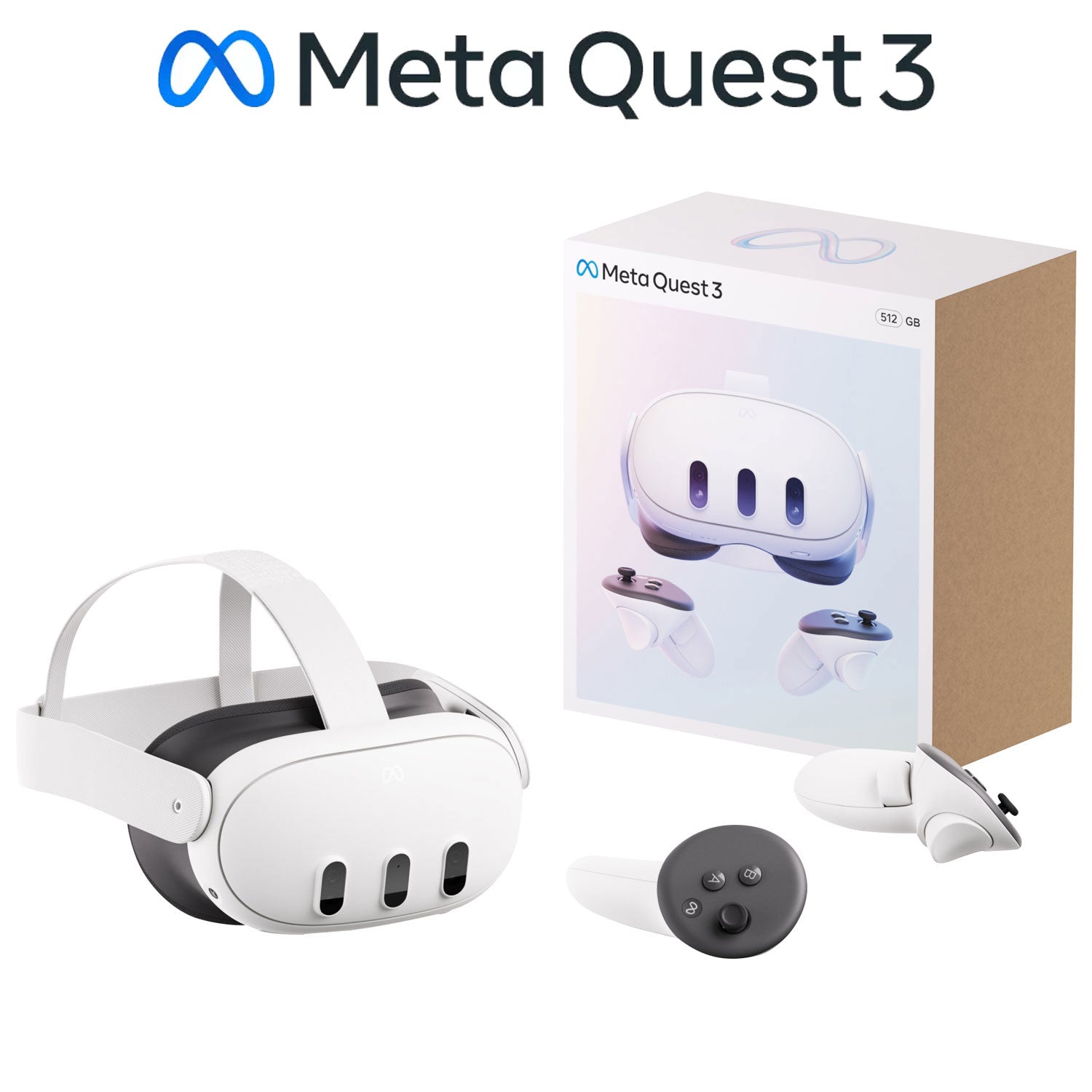
Meta Quest 3 (128GB)
The Meta Quest 3 stands as the premier consumer-grade mixed reality headset in 2026, offering a powerful blend of standalone VR and immersive full-color passthrough for augmented reality. It boasts significantly improved resolution, a faster Snapdragon XR2 Gen 2 chip, and pancake lenses for a sharper, wider field of view compared to its predecessor. Ideal for both seasoned VR enthusiasts and new users, this headset provides an unparalleled all-in-one experience without the need for a PC. Its robust ecosystem of games and apps, combined with its impressive technical advancements, firmly secures its top position.
Standout Feature
Premium Standalone Mixed Reality
Pros
- Excellent full-color passthrough for mixed reality
- Sharper visuals with pancake lenses and higher resolution
- Comfortable design and balanced weight distribution
- Powerful Snapdragon XR2 Gen 2 processor for smooth performance
- Vast standalone game and app library
Cons
- Battery life is relatively short (around 2-3 hours)
- Strap design could be more premium for extended use
- Optional charging dock and accessories add significant cost
Who It's Best For
Enjoy a vast library of VR games with stunning graphics and intuitive controls without needing a separate PC.
Immerse yourself in augmented reality applications, blending virtual objects seamlessly into your physical environment.
Connect with friends and join virtual events in vibrant social platforms, leveraging comfortable wear for long sessions.

Pimax Crystal QLED VR Headset
The Pimax Crystal reigns supreme for PCVR users demanding the absolute highest visual fidelity in 2026, featuring groundbreaking 2880x2880 pixels per eye QLED displays. It delivers unparalleled clarity and vibrant colors, making it a favorite for flight and racing simulators where detail is paramount. While it can operate in a limited standalone mode, its true power shines when tethered to a high-end PC, offering an expansive field of view and swappable lenses. This headset is designed for discerning VR users who prioritize visual realism above all else, securing its place as a top-tier enthusiast's choice.
Standout Feature
Industry-leading Visual Clarity
Pros
- Highest resolution QLED displays for stunning clarity and vibrant colors
- Swappable lenses allow for balancing FOV and PPD
- Robust build quality and integrated eye-tracking
- Excellent for simulation and detailed virtual environments
- Can be used in a limited standalone mode
Cons
- Requires a very powerful PC to drive its full resolution
- High price point makes it inaccessible for many
- Software setup can be complex for new users
- Bulky design, may not be comfortable for all head shapes
Who It's Best For
Experience unparalleled detail in cockpits and landscapes, enhancing realism in high-fidelity simulations.
Delve into the most graphically demanding PCVR titles with stunning visual quality and immersion.
Render and explore complex 3D models with incredible clarity, aiding in professional design reviews.

Valve Index Full VR Kit
Despite being an older model, the Valve Index Full VR Kit remains a formidable contender in 2026, revered for its exceptional tracking accuracy, high refresh rates, and superior audio experience. Its outside-in SteamVR Tracking system provides unmatched precision for controllers and full-body tracking, making it a favorite among competitive VR gamers and VRChat users. While its resolution is surpassed by newer headsets, its fluid 144Hz refresh rate and wide field of view still offer a highly immersive and comfortable PCVR experience. The Index's comprehensive ecosystem and continuous software support ensure its enduring relevance.
Standout Feature
Superior Tracking and Audio
Pros
- Industry-leading SteamVR Tracking precision and low latency
- Exceptional integrated off-ear audio experience
- High refresh rates up to 144Hz for smooth visuals
- Wide field of view enhances immersion
- Knuckles controllers offer advanced finger tracking
Cons
- Requires external base stations for tracking setup
- Resolution is lower than newer generation headsets
- Tethered PCVR experience requires a dedicated space
- High initial investment for the full kit
Who It's Best For
Achieve peak performance with precise tracking and high refresh rates in fast-paced competitive VR titles.
Utilize advanced finger tracking and full-body tracking capabilities for expressive social interactions.
Leverage the open SteamVR platform and robust hardware for creative VR development and experimentation.
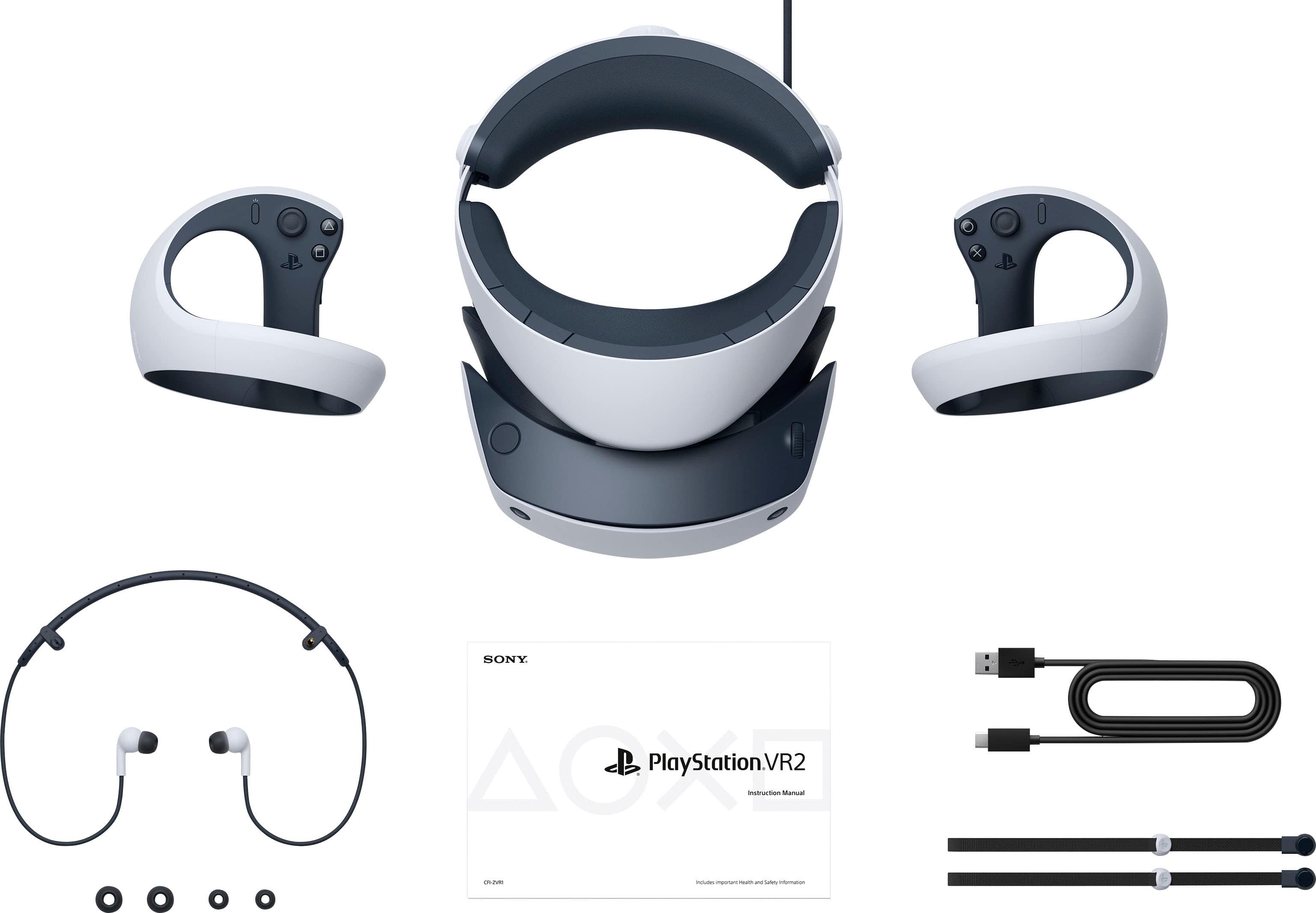
Sony PlayStation VR2
The Sony PlayStation VR2 takes the crown as the best console VR headset in 2026, exclusively designed for the PlayStation 5, delivering stunning visuals and innovative haptic feedback. Its OLED displays provide deep blacks and vibrant colors, coupled with eye-tracking for foveated rendering that maximizes graphical performance. The Sense controllers offer advanced haptics and adaptive triggers, greatly enhancing immersion in PS VR2-specific titles. It's the go-to choice for console gamers seeking a premium, easy-to-use VR experience with a growing library of exclusive and cross-platform games.
Standout Feature
Next-Gen Console VR Immersion
Pros
- Stunning OLED displays with vibrant colors and deep blacks
- Innovative haptic feedback in headset and controllers
- Eye-tracking for foveated rendering and intuitive interactions
- Simplified setup with a single USB-C cable to PS5
- Growing library of high-quality exclusive PS VR2 games
Cons
- Exclusive to PlayStation 5, not PC compatible
- Limited field of view compared to some PCVR headsets
- Requires a wired connection, limiting movement slightly
- High price point on top of the PS5 console cost
Who It's Best For
Dive into exclusive VR titles and enhanced versions of existing games, leveraging the PS5's power and unique VR features.
Experience games with unprecedented sensory feedback thanks to integrated haptics and adaptive triggers.
Enjoy an easy plug-and-play VR setup without complex PC configuration or external base stations.
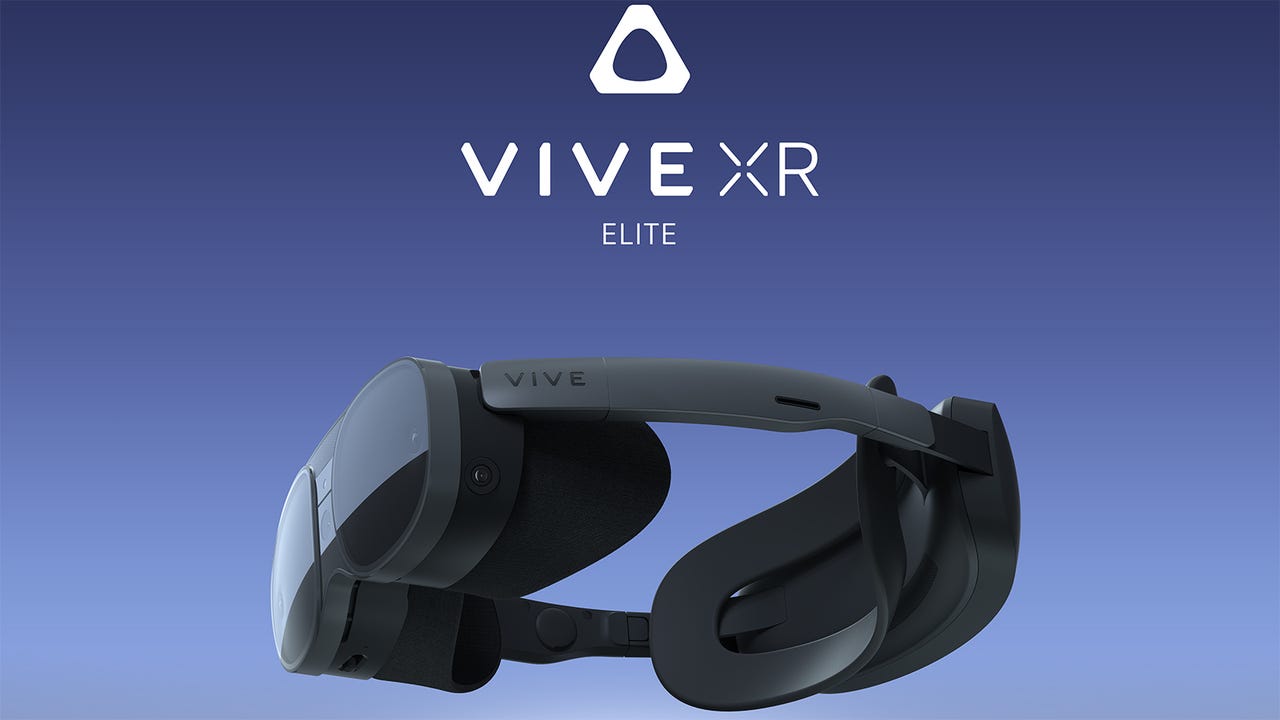
HTC Vive XR Elite
The HTC Vive XR Elite offers a versatile and modular mixed reality experience, standing out as a premium option for both standalone and PCVR use in 2026. Its compact, convertible design allows it to transform from a full standalone headset to a lightweight XR viewer by detaching the battery, making it incredibly flexible. With high-resolution displays, full-color passthrough, and an adjustable diopter for glasses-free use, it caters to professionals and enthusiasts alike. This headset strikes a balance between portability, performance, and advanced features for a comprehensive XR experience.
Standout Feature
Modular Design for Versatile XR
Pros
- Highly modular design allows for conversion to a lightweight viewer
- Sharp visuals with high-resolution displays and adjustable diopter
- Excellent full-color passthrough for mixed reality applications
- Comfortable and balanced design, suitable for extended use
- Supports both standalone and wireless/wired PCVR
Cons
- Higher price point than many standalone competitors
- Battery life is adequate but not exceptional
- Standalone content library is not as vast as Meta's
- Hand tracking can be inconsistent in some scenarios
Who It's Best For
Utilize its mixed reality capabilities for collaboration, design reviews, and virtual training in both office and remote settings.
Enjoy immersive entertainment and productivity on the go, thanks to its compact and modular form factor.
Switch seamlessly between standalone gaming and high-fidelity PCVR experiences, adapting to different content needs.
For this use case
Best Technology for VR Enthusiasts
- #2Pimax Crystal QLED VR Headset
Delve into the most graphically demanding PCVR titles with stunning visual quality and immersion.
- #12HTC Vive Pro 2
Upgrade to a premium PCVR setup for a top-tier immersive experience in various VR content.
- #19Pimax 5K Super VR Headset
Explore a wide range of PCVR content with a headset that prioritizes immersion through a broad visual landscape.

Meta Quest Pro
The Meta Quest Pro remains a powerful and versatile mixed reality headset in 2026, aimed at professionals and serious enthusiasts seeking advanced features. It boasts premium mini-LED displays with local dimming, providing superior contrast and clarity, and includes eye-tracking and natural facial expressions for realistic avatars. Its open design and balanced ergonomics make it comfortable for extended productivity and collaboration sessions. While its price is higher than the Quest 3, its specialized capabilities for work and social interaction solidify its position as a leading prosumer device.
Standout Feature
Pro-Grade Mixed Reality and Productivity
Pros
- Mini-LED displays with local dimming for superior visuals
- Eye-tracking and natural facial expression tracking for social presence
- Open design for situational awareness and comfort during work
- Self-tracking controllers enhance precision and immersion
- Excellent for collaboration, productivity, and social VR
Cons
- Premium price point compared to consumer headsets
- Battery life is relatively short, especially with full features active
- Less emphasis on gaming than the Quest 3
- Default open design may not be preferred by all for full immersion
Who It's Best For
Engage in virtual meetings, collaborate on projects, and expand your workspace with multiple virtual monitors.
Express emotions naturally through realistic avatars, enhancing social interactions and content creation.
Prototype mixed reality applications and conduct virtual training with advanced tracking and display capabilities.

Varjo Aero
For professionals and sim enthusiasts in 2026, the Varjo Aero continues to deliver an uncompromising visual experience in PCVR, renowned for its 'human-eye resolution' clarity. Featuring custom-made aspheric lenses and dual mini-LED displays with per-eye resolution of 2880x2720, it offers exceptional pixel density for intricate detail. Its professional-grade build and integrated eye-tracking further enhance its appeal for demanding applications like simulation, design, and research. While tethered and requiring a high-end PC, the Aero provides an unmatched level of visual fidelity for serious VR users.
Standout Feature
Human-Eye Resolution PCVR
Pros
- Exceptional pixel density for 'human-eye resolution' clarity
- Custom-made aspheric lenses deliver edge-to-edge sharpness
- Integrated eye-tracking for foveated rendering and analytics
- Premium build quality and comfortable design for long sessions
- Ideal for demanding simulation, training, and design applications
Cons
- Very high price point, geared towards professionals
- Requires SteamVR base stations and controllers (not included)
- Demands an extremely powerful PC for optimal performance
- Tethered PCVR experience, limiting mobility
Who It's Best For
Train pilots, surgeons, or engineers in highly realistic virtual environments with unparalleled visual accuracy.
Review and iterate on 3D models with incredible detail, speeding up the design process and reducing errors.
Conduct studies on human perception, interaction, or training efficacy using a high-fidelity VR platform.

Pico 4 All-in-One VR Headset
The Pico 4 remains a strong competitor in the standalone VR market in 2026, offering a compelling alternative to Meta Quest with its high-resolution displays and excellent ergonomics. It features pancake optics, leading to a slim profile and wider field of view, making it comfortable for extended use. Its well-balanced design, with the battery counterbalanced at the rear, reduces front-heavy fatigue. While its content library is smaller than Meta's, the Pico 4 excels in clarity, comfort, and direct PCVR streaming, making it a valuable option for users prioritizing these aspects.
Standout Feature
Lightweight Design & High Resolution
Pros
- Slim and lightweight design thanks to pancake lenses
- Well-balanced weight distribution for enhanced comfort
- High resolution per eye (2160x2160) for sharp visuals
- Supports wireless PCVR streaming out-of-the-box
- Affordable price point for its feature set
Cons
- Smaller content library compared to Meta Quest
- IPD adjustment is digital, not always precise for all users
- Tracking can sometimes be less robust than Meta's
- Passthrough is basic, not full-color mixed reality
Who It's Best For
Enjoy films and immersive content on a large virtual screen with a comfortable, lightweight headset.
Engage in active VR workouts with a headset that stays secure and comfortable during vigorous movement.
Wirelessly stream high-fidelity PCVR games to the headset, enjoying freedom of movement without cables.

Meta Quest 2 (128GB)
Even in 2026, the Meta Quest 2 continues to be an incredibly strong value proposition, serving as the best budget-friendly standalone VR headset. Despite the arrival of newer models, its vast content library, robust performance for its price, and ease of use make it an excellent entry point into virtual reality. It offers competent inside-out tracking, a decent resolution, and the flexibility of both standalone and PCVR play. For those looking to experience VR without a significant financial commitment, the Quest 2 remains a highly recommended and widely supported option.
Standout Feature
Unbeatable Value Standalone VR
Pros
- Most affordable entry point into high-quality VR
- Largest standalone content library available
- Reliable inside-out tracking and comfortable controllers
- Supports both standalone and PCVR via Air Link/cable
- Active community and continuous software support
Cons
- Fresnel lenses can cause god rays and glare
- Lower resolution and FOV compared to newer headsets
- Basic head strap is not ideal for long sessions
- Passthrough is monochrome and low resolution
Who It's Best For
Experience the magic of VR without breaking the bank, with a user-friendly setup and extensive tutorial content.
Access hundreds of popular VR games and experiences at an accessible price point.
Provide an engaging and interactive learning tool for students with its affordability and vast educational apps.
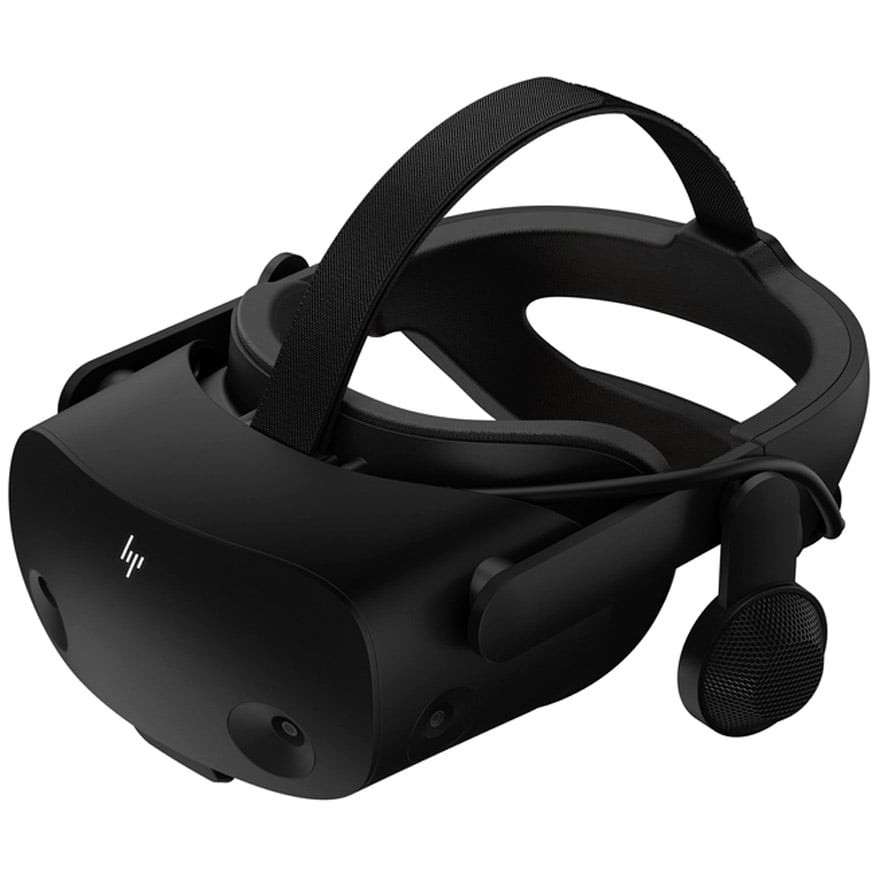
HP Reverb G2 VR Headset
The HP Reverb G2 remains a compelling PCVR option in 2026 for users prioritizing high visual fidelity at a more accessible price point. Co-developed with Valve, it features excellent 2160x2160 resolution LCD panels per eye, delivering sharp, clear images ideal for simulators and detailed virtual environments. Its comfortable design, premium audio by Valve, and straightforward Windows Mixed Reality setup make it a solid choice for those seeking a dedicated PCVR experience without the premium cost of some high-end alternatives. While tracking is inside-out, it is generally reliable for seated or room-scale play.
Standout Feature
Affordable High-Resolution PCVR
Pros
- Excellent 2160x2160 resolution per eye for sharp visuals
- Premium off-ear audio solution by Valve
- Comfortable and lightweight design for extended use
- Integrated inside-out tracking for easier setup than base station systems
- More affordable than many high-end PCVR alternatives
Cons
- Controllers and tracking quality are not as good as Valve Index or Meta Quest
- Narrower field of view compared to some competitors
- Requires a wired connection to a powerful PC
- Windows Mixed Reality platform has a smaller exclusive library
Who It's Best For
Enjoy crystal-clear cockpits and realistic instrument displays in flight and space simulators.
Examine detailed 3D models and designs with high visual fidelity, aiding in precision work.
Access PCVR titles on SteamVR and other platforms with a high-resolution display without breaking the bank.

Pimax 8K X VR Headset
The Pimax 8K X remains a niche but powerful PCVR headset in 2026, targeting enthusiasts who demand an ultra-wide field of view combined with high resolution. It features dual 4K panels, delivering a stunning 3840x2160 resolution per eye, providing unparalleled immersion across its expansive 200-degree horizontal FOV. While demanding on PC hardware and requiring SteamVR base stations, it offers an incredibly cinematic and panoramic VR experience for specific applications like simulation and wide-open world games. It’s for those who prioritize immersion through peripheral vision.
Standout Feature
Ultra-Wide Field of View
Pros
- Exceptional 200-degree horizontal field of view
- Dual 4K displays provide sharp, detailed visuals
- Highly immersive, cinematic VR experience
- Suitable for flight simulators and large-scale virtual environments
- Robust build quality for serious enthusiasts
Cons
- Requires an extremely high-end gaming PC
- Needs external SteamVR base stations for tracking
- Can be cumbersome and heavy for some users
- Software configuration can be complex
Who It's Best For
Experience a full peripheral view in racing, flight, or space simulators, enhancing situational awareness and immersion.
Dive into vast virtual worlds with an unparalleled sense of presence and scale through its wide FOV.
Offer a premium, highly immersive experience that differentiates from standard VR setups.

HTC Vive Pro 2
The HTC Vive Pro 2 remains a strong contender in the high-end PCVR market in 2026, offering a blend of high resolution and a wide field of view for premium VR experiences. It boasts dual 2.5K displays, providing a combined 4896x2448 resolution, and a generous 120-degree field of view. Compatible with SteamVR Tracking, it offers precise, low-latency tracking when paired with base stations. Ideal for serious gamers and professionals who demand visual clarity and an expansive view, the Vive Pro 2 is a robust, feature-rich option for a tethered PCVR setup.
Standout Feature
High-Resolution Wide-FOV PCVR
Pros
- High resolution with 2.5K per eye displays
- Wide 120-degree field of view for immersive experiences
- Supports precise SteamVR Tracking for accurate movement
- Integrated Hi-Res certified headphones for rich audio
- Suitable for both gaming and enterprise applications
Cons
- Requires external base stations and controllers (sold separately or in full kit)
- Can be prone to glare and 'god rays' from the lenses
- Wired connection limits freedom of movement
- High price point for the full kit
Who It's Best For
Experience graphically demanding VR titles with sharp visuals and expansive views, leveraging precise tracking.
Conduct realistic virtual training simulations with clear visuals and reliable tracking for industrial or medical fields.
Upgrade to a premium PCVR setup for a top-tier immersive experience in various VR content.
For this use case
Best Technology for Hybrid Gamers
- #5HTC Vive XR Elite
Switch seamlessly between standalone gaming and high-fidelity PCVR experiences, adapting to different content needs.
- #14Pico Neo 3 Link
Play standalone VR games on the go and seamlessly switch to high-quality PCVR for demanding titles at home.

DPVR E4 PC VR Headset
The DPVR E4 is a unique and compelling PCVR headset in 2026, offering a lightweight and comfortable design with a focus on immersive visuals. It features a high 120Hz refresh rate and a custom-designed lens system that aims to reduce motion sickness and enhance clarity. Its 'flip-up' design allows users to easily switch between virtual and real worlds without removing the headset entirely. For PCVR users seeking an ergonomic and performant device that balances comfort with solid visuals, the E4 provides a fresh alternative in the crowded market.
Standout Feature
Ergonomic Flip-Up Design
Pros
- Lightweight and well-balanced design for comfort
- Convenient flip-up mechanism for quick transitions to reality
- High 120Hz refresh rate for smooth visuals
- Inside-out tracking simplifies setup
- Custom lenses designed for clarity and reduced motion sickness
Cons
- Resolution is good but not top-tier compared to some rivals
- Field of view is average
- Controller design is functional but not groundbreaking
- Smaller user base and content ecosystem compared to giants
Who It's Best For
Enjoy PCVR titles with a comfortable, easy-to-use headset that minimizes fatigue.
Easily switch between VR content and real-world tasks thanks to its flip-up design.
Utilize for educational content and experiments where comfort and quick transitions are beneficial.

Pico Neo 3 Link
The Pico Neo 3 Link offers an excellent hybrid solution in 2026, serving as both a powerful standalone VR headset and a robust PCVR device with its included DisplayPort cable. It features a clear 3664x1920 (total) fast-switch LCD display and a comfortable design, making it a strong alternative for users who want the flexibility of both worlds. Its accurate inside-out tracking and competitive price point make it particularly appealing for European markets where it competes directly with Meta. For versatile users, the Neo 3 Link provides strong performance and connectivity options.
Standout Feature
Hybrid Standalone and DisplayPort PCVR
Pros
- Dedicated DisplayPort for high-fidelity PCVR connection
- Standalone mode offers great flexibility and portability
- Comfortable design with good weight distribution
- Accurate inside-out tracking
- Strong value proposition for a hybrid headset
Cons
- Standalone content library is not as vast as Meta's
- IPD adjustment is digital, potentially less precise
- Screen door effect can be noticeable to some users
- No full-color passthrough for mixed reality
Who It's Best For
Play standalone VR games on the go and seamlessly switch to high-quality PCVR for demanding titles at home.
Stream PCVR content wirelessly or via the included DisplayPort cable for optimal visual fidelity and low latency.
Engage in active VR workouts with a comfortable and flexible headset that can be used tethered or untethered.
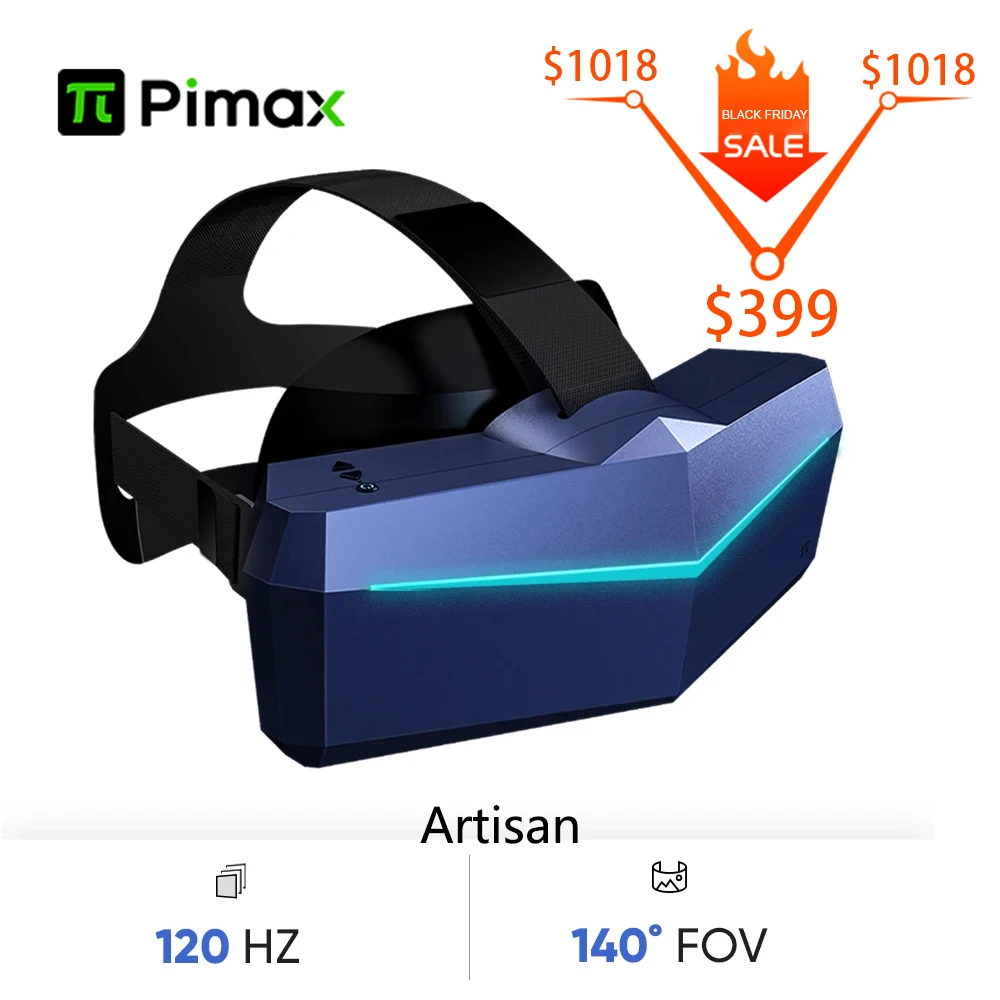
Pimax Artisan VR Headset
The Pimax Artisan is an excellent entry point into the Pimax ecosystem in 2026, offering a wide field of view at a more accessible price than its higher-end siblings. It features a 170-degree diagonal FOV and a 2560x1440 resolution per eye, delivering an immersive experience for PCVR enthusiasts. While it requires SteamVR base stations for tracking, it provides a solid foundation for those looking to experience Pimax's signature expansive view without the premium cost of the Crystal or 8K X. It's a great choice for wide-FOV PCVR at a mid-range price.
Standout Feature
Affordable Wide FOV PCVR
Pros
- Wide 170-degree diagonal field of view
- Good resolution per eye for detailed visuals
- More affordable entry into the Pimax ecosystem
- Compatible with SteamVR Tracking for precise movement
- Robust build quality typical of Pimax devices
Cons
- Requires external SteamVR base stations and controllers (not included)
- Demanding on PC hardware, though less so than 8K X/Crystal
- Can be heavy and less comfortable than some competitors
- Software setup can be challenging for beginners
Who It's Best For
Experience a more immersive VR world with an expanded peripheral view without the top-tier Pimax price.
Enjoy a broad range of PCVR titles with improved immersion compared to narrower FOV headsets.
Gain a significant FOV advantage in racing or flight simulators without the cost of high-end Pimax models.
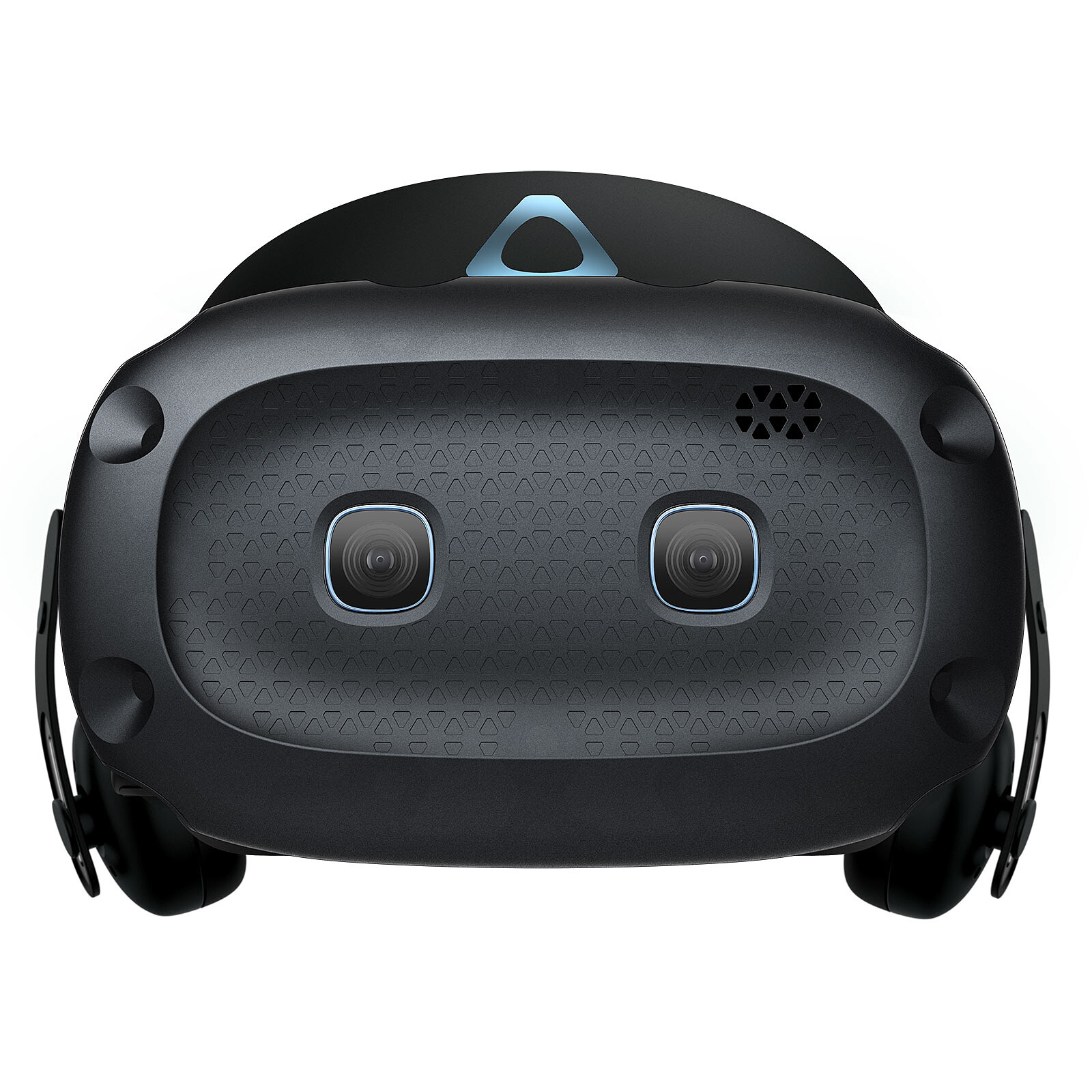
HTC Vive Cosmos Elite
The HTC Vive Cosmos Elite remains a relevant PCVR option in 2026, particularly for those who value its modularity and the precision of SteamVR Tracking. It combines a high-resolution headset with the precision of external base station tracking, offering a robust experience for serious VR users. Its modular faceplate system allows for upgrades, though the Elite faceplate is the primary draw. For users who already own SteamVR base stations or prioritize precise external tracking for specific applications, the Cosmos Elite offers a reliable and versatile PCVR solution.
Standout Feature
Modular PCVR with External Tracking
Pros
- High-resolution LCD panels for clear visuals
- Compatible with precise SteamVR Tracking for superior accuracy
- Modular faceplate system allows for future upgrades
- Comfortable design with flip-up functionality
- Integrated headphones provide good audio immersion
Cons
- Requires external base stations and controllers (often sold separately)
- Inside-out tracking without the Elite faceplate is sub-par
- Wired connection can limit freedom of movement
- Higher price compared to some inside-out tracking alternatives
Who It's Best For
Engage in VR games requiring highly accurate and consistent tracking, such as rhythm games or competitive shooters.
Utilize a robust and precise system for VR arcade setups, ensuring reliable performance for customers.
Integrate with additional SteamVR trackers for full-body tracking applications like VRChat or performance capture.

Varjo XR-3 (Human-Eye Resolution Mixed Reality)
The Varjo XR-3 is an ultra-premium, professional-grade mixed reality headset in 2026, offering unparalleled visual fidelity and advanced features for enterprise and high-end prosumer applications. It boasts a 'human-eye resolution' Bionic Display with a variable resolution that matches human vision, coupled with LiDAR-powered mixed reality passthrough. This allows for incredibly realistic blending of virtual and real worlds, essential for industrial design, medical training, and advanced simulation. While its price is prohibitive for most consumers, it sets the benchmark for visual realism and mixed reality integration.
Standout Feature
Unrivaled Mixed Reality Visuals
Pros
- Unmatched 'human-eye resolution' for incredible detail
- LiDAR-powered full-color mixed reality passthrough
- Integrated eye-tracking and ultralow-latency camera feed
- Professional-grade build and comfort for long sessions
- Ideal for advanced design, simulation, and training
Cons
- Extremely high price, primarily for enterprise users
- Requires a very powerful workstation PC and annual software license
- Heavy and bulky compared to consumer headsets
- Limited field of view compared to some other high-end PCVR
Who It's Best For
Interact with virtual car models seamlessly integrated into a physical studio, making real-time design decisions.
Practice complex surgical procedures or diagnostics in hyper-realistic mixed reality environments.
Train pilots and engineers in highly accurate virtual cockpits with real-world overlays and controls.
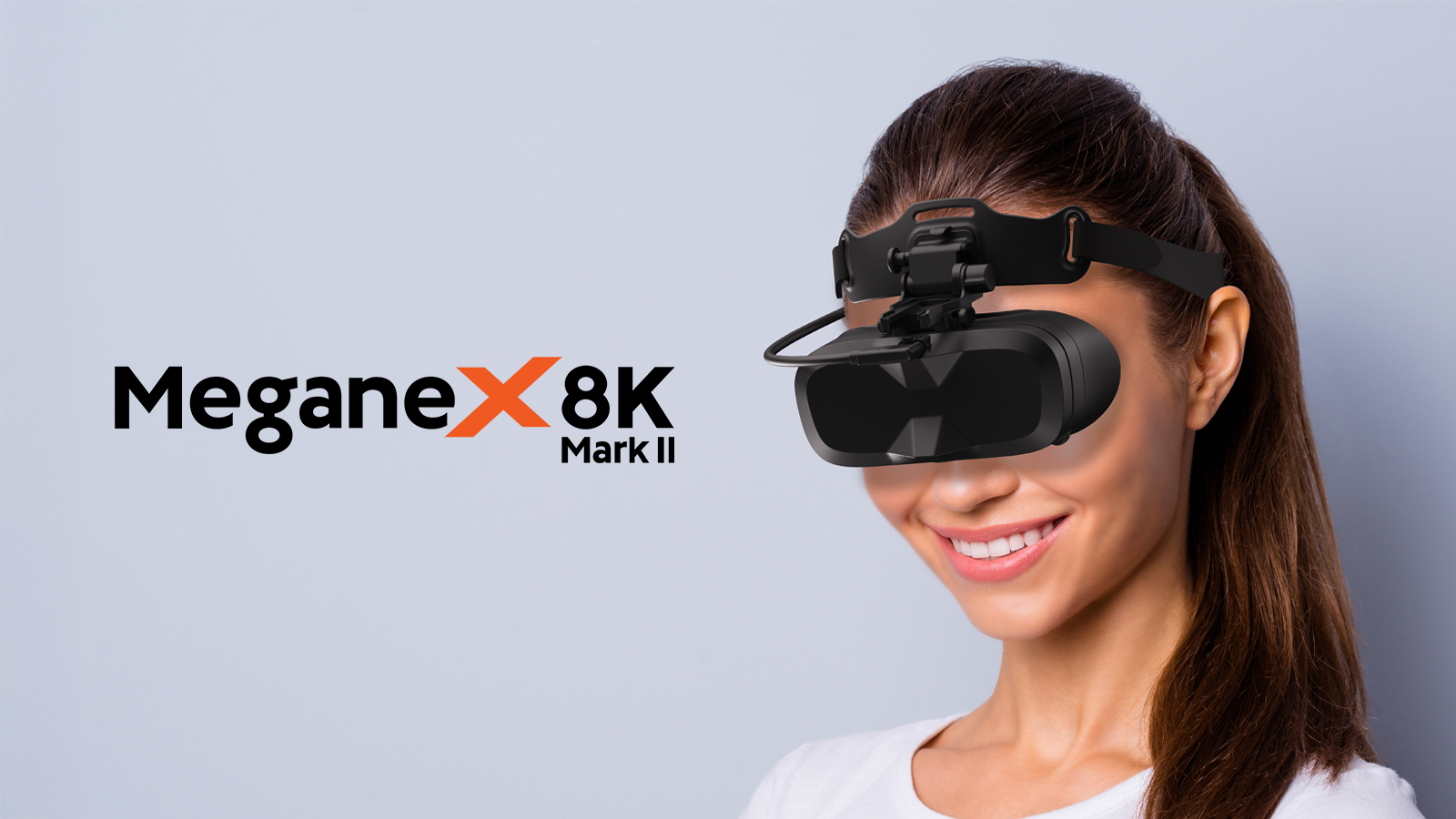
Shiftall MeganeX PC VR Headset
The Shiftall MeganeX stands out in 2026 as one of the lightest and most compact PCVR headsets, designed for ultimate portability and comfort. Inspired by glasses, it features micro-OLED displays with high resolution and a fast refresh rate, delivering sharp visuals in a remarkably small form factor. While its field of view is modest, its exceptional lightness and compact design make it ideal for prolonged use, travel, or users who find traditional VR headsets too bulky. It's a niche but innovative solution for PCVR enthusiasts prioritizing minimalist design and comfort.
Standout Feature
Ultra-Lightweight & Compact PCVR
Pros
- Extremely lightweight and compact, like wearing glasses
- High-resolution micro-OLED displays for sharp visuals
- Comfortable for extended sessions due to low weight
- Foldable design for easy portability
- Integrated diopter adjustment for glasses-free use
Cons
- High price point for its feature set
- Limited field of view compared to other PCVR headsets
- Requires external SteamVR Tracking base stations and controllers
- Audio solution is not integrated and requires separate headphones
Who It's Best For
Take your PCVR experience on the road with an incredibly portable and easy-to-pack headset.
Enjoy extended periods in VR without discomfort or neck strain, thanks to its minimalist design.
Integrate into a sleek PCVR setup where space and cable management are prioritized.
For this use case
Best Technology for Budget PCVR Gamers
- #10HP Reverb G2 VR Headset
Access PCVR titles on SteamVR and other platforms with a high-resolution display without breaking the bank.
- #20Dell Visor Windows Mixed Reality Headset
Access a variety of PCVR games on SteamVR and the Windows Mixed Reality store without a high financial outlay.

Pimax 5K Super VR Headset
The Pimax 5K Super remains a relevant PCVR headset in 2026 for users seeking an expansive field of view without the extreme resolution demands or price of the 8K X or Crystal. It features a 2560x1440 resolution per eye and a wide 170-degree field of view, delivering a highly immersive experience. With a high refresh rate up to 180Hz, it provides smooth visuals for fast-paced games. For gamers prioritizing a super-wide FOV for spatial awareness and immersion in PCVR, the 5K Super offers a compelling, albeit tethered, solution.
Standout Feature
High Refresh Rate Wide FOV PCVR
Pros
- Wide 170-degree field of view for enhanced immersion
- High refresh rate up to 180Hz for ultra-smooth gameplay
- Good resolution per eye (2560x1440) for clear visuals
- Compatible with SteamVR Tracking for precise movement
- More accessible price point than Pimax's higher-end models
Cons
- Requires external SteamVR base stations and controllers (not included)
- Demanding on PC hardware, especially at higher refresh rates
- Can be bulky and heavy, leading to potential discomfort
- Software optimization can sometimes be challenging
Who It's Best For
Gain a spatial advantage with an ultra-wide FOV and smooth visuals in fast-paced PCVR titles.
Experience expansive virtual cockpits and environments with a superior sense of scale and immersion.
Explore a wide range of PCVR content with a headset that prioritizes immersion through a broad visual landscape.

Dell Visor Windows Mixed Reality Headset
The Dell Visor, while an older model in 2026, still represents a very accessible and reliable entry into PCVR via the Windows Mixed Reality platform, often available at budget-friendly prices. It offers a comfortable flip-up design and decent resolution for its class, making it suitable for casual PCVR gaming and virtual desktop applications. With its straightforward inside-out tracking and comfortable halo strap, it's a practical choice for users who want to explore PCVR without a significant investment or complex external tracking setup, especially if they already have a compatible Windows PC.
Standout Feature
Affordable Windows Mixed Reality PCVR
Pros
- Very affordable entry point into PCVR
- Comfortable halo strap and flip-up design for quick breaks
- Inside-out tracking simplifies setup, no external sensors needed
- Good resolution for its price range (1440x1440 per eye)
- Compatible with a wide range of Windows Mixed Reality applications and SteamVR
Cons
- Tracking can be less precise than SteamVR Tracking or Meta's newer systems
- Controllers are considered basic compared to modern designs
- Wired connection, limiting movement
- Windows Mixed Reality platform has a smaller exclusive content library
Who It's Best For
Access a variety of PCVR games on SteamVR and the Windows Mixed Reality store without a high financial outlay.
Create multiple virtual monitors for productivity or entertainment at a cost-effective price.
Experiment with PCVR content and experiences using an easy-to-set-up and comfortable headset.
Quick Comparison
Quick Feature Comparison
| Product | Price | Resolution (per eye) | Refresh Rate | FOV (Horizontal) | Primary Platform |
|---|---|---|---|---|---|
| ★Meta Quest 3 | ★$499 | 2064x2208 | ★120Hz | ★110° | ★Standalone/PCVR |
| Pimax Crystal | $1599 | ★2880x2880 | 90Hz | 125° | PCVR/Standalone |
| Valve Index | $999 | 1440x1600 | 144Hz | 130° | PCVR |
| PS VR2 | $549 | 2000x2040 | 120Hz | 110° | Console (PS5) |
| HTC Vive XR Elite | $1099 | 1920x1920 | 90Hz | 110° | Standalone/PCVR |
| Meta Quest Pro | $999 | 1800x1920 | 90Hz | 106° | Standalone/PCVR |
| Varjo Aero | $1990 | 2880x2720 | 90Hz | 115° | PCVR |
| Pico 4 | $429 | 2160x2160 | 90Hz | 105° | Standalone/PCVR |
| Meta Quest 2 | $249 | 1832x1920 | 120Hz | 97° | Standalone/PCVR |
| HP Reverb G2 | $399 | 2160x2160 | 90Hz | 98° | PCVR |
Read before you buy
Buying Guide
What to look for in a technology
Focus on the features that actually match how you'll use it day-to-day. Compare core specs, real-world performance from owner reviews, and whether the warranty/support reflects long-term confidence — not just sticker price. The picks above are ranked with that hierarchy in mind.
Price vs performance
Mid-tier options often deliver 80% of the performance of premium models for half the price. Splurge on the high-end pick only when a specific feature in the upper tier solves a problem the budget pick can't. Stretch the budget when reliability or longevity matters most.
Common mistakes to avoid
Don't pay for features you'll never use, and don't sacrifice durability for a small price difference. The cheapest option rarely wins long-term value, but the most expensive isn't always worth the premium either — let the use case drive the choice.
Frequently Asked Questions
What's the most important factor when buying a VR headset in 2026?
The most important factor depends heavily on your primary use case. For gaming, consider refresh rate and tracking accuracy. For professional use or simulation, prioritize display resolution and field of view. For standalone convenience, battery life and content ecosystem are key. Mixed reality capabilities are also a growing consideration for productivity and unique experiences.
Are standalone VR headsets good enough for serious PCVR gaming in 2026?
Yes, standalone VR headsets like the Meta Quest 3 and Pico 4 are increasingly capable of delivering excellent PCVR experiences, either wirelessly via Wi-Fi 6E or through a USB-C/DisplayPort cable. While dedicated PCVR headsets like the Pimax Crystal or Valve Index still offer superior visual fidelity and tracking precision for high-end enthusiasts, modern standalones bridge the gap significantly, offering incredible versatility.
What are the main advantages of a high-resolution VR headset?
High-resolution VR headsets, such as the Pimax Crystal or Varjo Aero, significantly reduce the 'screen door effect' (seeing the gaps between pixels), resulting in much sharper and more realistic visuals. This is crucial for applications where detail is important, like reading text, identifying distant objects in simulators, or viewing intricate 3D models. It enhances immersion and reduces eye strain over long periods.
Is eye-tracking a must-have feature for VR in 2026?
While not strictly a 'must-have' for all users, eye-tracking is becoming increasingly important for advanced VR experiences. It enables foveated rendering, which optimizes performance by rendering only where you're looking at full resolution. It also allows for more natural social interactions with realistic avatar eye movements and can be used for intuitive user interfaces. For high-end, professional, or social VR use, eye-tracking offers significant benefits.
Should I wait for a new VR headset model if I'm buying in 2026?
The VR market is rapidly evolving, but 2026 is far enough along that many excellent current-generation headsets offer mature ecosystems and advanced features. While new models are always on the horizon, waiting indefinitely means missing out on today's experiences. Evaluate your needs and budget, and if a current model meets them, it's a great time to invest. Significant leaps typically happen every 2-3 years, and many 2024/2025 flagships will still be very relevant.
Keep exploring