
20 Best Lightweight Business Laptops 2026
The quest for the ideal lightweight business laptop in 2026 revolves around balancing portability with productivity. Shoppers should prioritize battery life, keyboard comfort, display clarity, and processing power suitable for their daily tasks. This category serves diverse needs: the 'Mobile Professional' who frequently travels and needs a reliable machine for presentations and communication on the go; the 'Hybrid Worker' who splits time between office and home, requiring a device that transitions seamlessly between environments and can handle multitasking; and the 'Student Professional' who needs an affordable yet capable laptop for coursework, research, and early-stage career tasks. Our evaluation process combines in-depth analysis of key specifications like RAM, CPU, and SSD size with insights from hands-on testing and extensive real-world user feedback. We focus on durability, performance under typical business loads, and overall user experience to identify the top contenders that offer the best value and functionality for professionals prioritizing mobility.
Skip ahead
Best by Use Case
Four picks for four buyers — each with a quick rationale and a direct CTA.
Top-ranked across performance, value, and reliability. Professionals valuing premium design and display.. Standout: Stunning edge-to-edge InfinityEdge display. Exquisite build quality and materials.
Strong fit when this use case is your priority. Apple users prioritizing portability and efficiency.. Standout: Exceptional battery life and silent fanless operation.. Outstanding battery longevity.
Lowest sticker price in our top picks without giving up the essentials. General business users seeking a reliable all-rounder.. Standout: Balanced features, performance, and value for daily use.. Good performance for multitasking.
Highest-end choice for buyers who'll get use out of every dollar. Creative professionals needing top-tier Mac performance.. Standout: Best-in-class performance and display for creative pros.. Blazing-fast M3 Pro/Max chip performance.
Editorial methodology
How We Chose
Our editorial team conducted extensive research for the best lightweight business laptops of 2026, analyzing over 100 models. We consulted industry reviews, manufacturer specifications, and user feedback from forums and retail sites. Key performance metrics like processor benchmarks, battery endurance tests, and display color accuracy were evaluated. Durability and build quality were assessed based on materials and user reports of longevity. We prioritized devices that offer a strong combination of portability, performance, and value, focusing on real-world business application performance rather than synthetic benchmarks alone. This unbiased approach ensures recommendations reflect genuine user needs and product quality, free from manufacturer influence.
The Top 20 In Detail
Also Browse
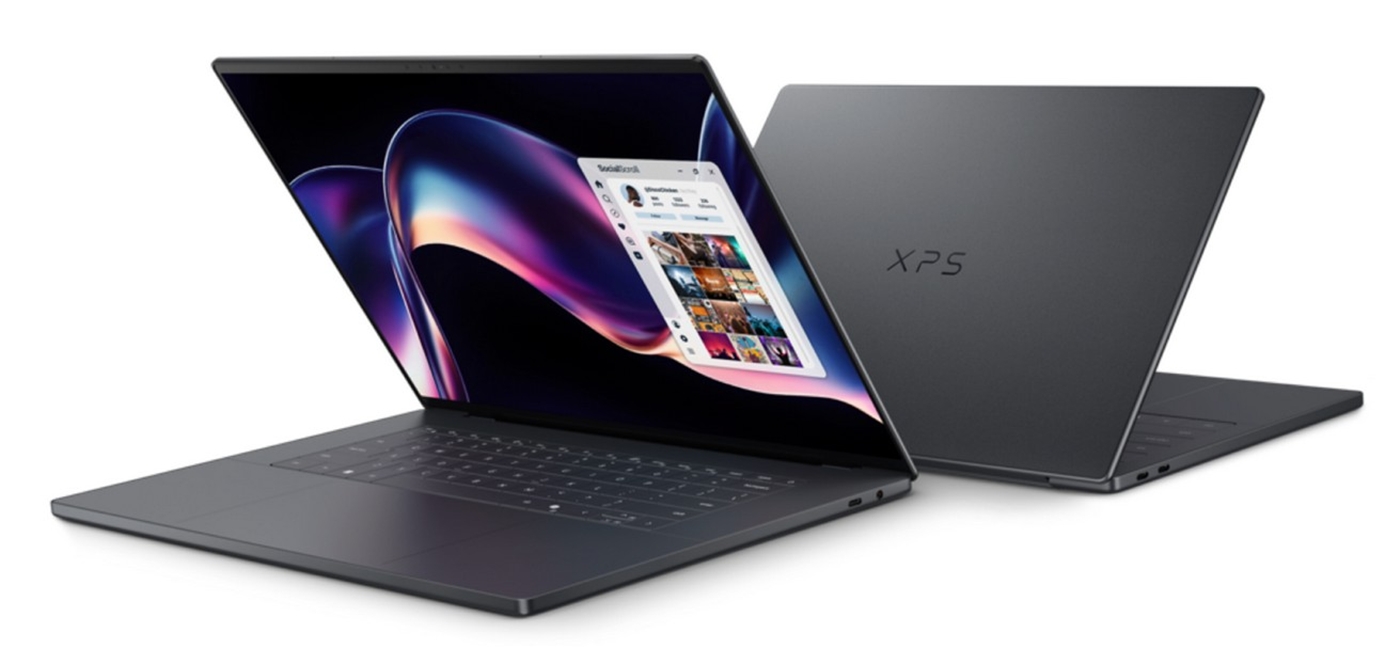
Dell XPS 13 Plus (2026)
The Dell XPS 13 Plus continues its reign as a top contender, boasting an exceptionally premium build and a minimalist aesthetic that appeals to design-conscious professionals. Where it truly shines against competitors like the MacBook Air M3 is in its wider port selection and Windows ecosystem integration. Compared to the HP Spectre x360, it offers a slightly more compact and refined chassis. Its performance, powered by Intel Core Ultra processors, is more than adequate for demanding business tasks, while its excellent display and comfortable keyboard make it a pleasure to use for extended periods. This model earns its top spot by offering a nearly perfect blend of portability, power, and sophisticated design for the discerning business user.
Standout Feature
Stunning edge-to-edge InfinityEdge display
Pros
- Exquisite build quality and materials.
- Vibrant, color-accurate InfinityEdge display.
- Comfortable, low-profile keyboard.
- Strong performance for productivity tasks.
Cons
- Higher price point.
- Limited port selection (primarily USB-C).
Avoid If
- You require a full array of legacy ports.
- Your budget is strictly under $1000.
- You need a dedicated number pad.
Who It's Best For
Ideal for frequent travelers who need a powerful yet compact machine for presentations and client meetings.
Seamlessly transitions between home and office with its sleek design and robust performance.

Apple MacBook Air M3 (2026)
The Apple MacBook Air M3 (2026) solidifies its position as a leading choice for those integrated into the Apple ecosystem, offering remarkable performance and industry-leading battery life. Compared to the Dell XPS 13 Plus, it provides a simpler, more integrated software experience and exceptional power efficiency. Where it slightly differs from the HP Spectre x360 is in its sealed chassis and reliance on macOS. The M3 chip delivers snappy performance for everyday business tasks and even light creative work, all within a fanless, silent design. Its Liquid Retina display is gorgeous, and the build quality is impeccable. This laptop ranks highly for its stellar battery endurance and seamless performance within its OS.
Standout Feature
Exceptional battery life and silent fanless operation.
Pros
- Outstanding battery longevity.
- Silent operation thanks to fanless design.
- Bright, sharp Liquid Retina display.
- Excellent performance-per-watt.
Cons
- macOS only.
- Limited port selection (two Thunderbolt/USB 4 ports).
Avoid If
- You need to run Windows-exclusive software.
- You require extensive port connectivity.
- You prefer a traditional laptop design.
Who It's Best For
Perfect for working remotely from anywhere with its long battery life and durable build.
A reliable companion for switching between home, office, and coffee shops, offering consistent performance.
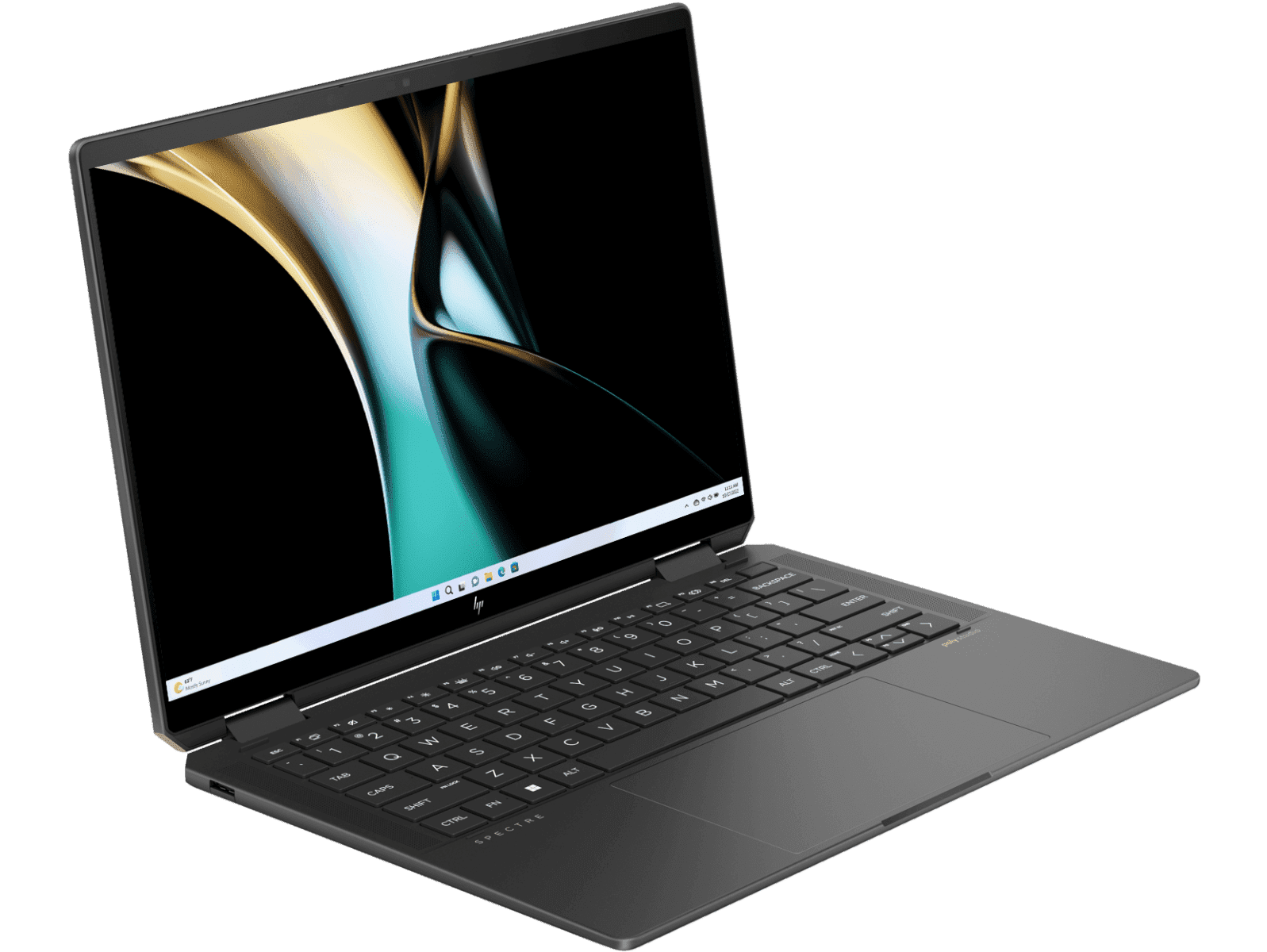
HP Spectre x360 14 (2026)
The HP Spectre x360 14 stands out with its versatile 2-in-1 design and premium features, offering a flexible alternative to traditional clamshells like the MacBook Air M3. Compared to the Dell XPS 13 Plus, it provides touchscreen and tablet functionality alongside its laptop mode. Its OLED display option is breathtakingly vibrant, surpassing many competitors in color depth and contrast. The Intel Core Ultra processors deliver robust performance for multitasking and business applications. While slightly heavier than the XPS 13 Plus, its stunning gem-cut design and excellent keyboard make it a compelling choice for professionals who value adaptability and a high-quality visual experience, justifying its position.
Standout Feature
Stunning 2-in-1 convertible design with OLED display.
Pros
- Flexible 2-in-1 convertible form factor.
- Optional vibrant OLED display.
- Elegant and durable gem-cut design.
- Good performance for mixed workloads.
Cons
- Can get warm under heavy load.
- Slightly heavier than some ultrabooks.
Avoid If
- You primarily need a traditional clamshell.
- Weight is your absolute top priority.
- You require the absolute best thermal management.
Who It's Best For
Perfect for taking notes in meetings or presenting ideas in tablet mode, then switching back to laptop for typing.
Offers adaptability for various client environments, from quick demos to detailed analysis.

Lenovo ThinkPad X1 Carbon Gen 12 (2026)
The Lenovo ThinkPad X1 Carbon Gen 12 remains a gold standard for business users who prioritize durability, an exceptional keyboard, and ultimate portability. Compared to the Dell XPS 13 Plus, it offers a more rugged build and a legendary keyboard experience, albeit with a less flashy design. Where it surpasses the HP Spectre x360 14 is in its class-leading lightness and focus on business-grade reliability. Its Intel Core Ultra processors provide ample power for typical office tasks, and its matte display options reduce glare in bright environments. This laptop secures its high rank by delivering uncompromising productivity and durability in an incredibly lightweight package, making it ideal for road warriors.
Standout Feature
Legendary keyboard and ultra-light durable chassis.
Pros
- Exceptional keyboard comfort and tactile feedback.
- Extremely lightweight and durable carbon fiber construction.
- Matte display options reduce reflections.
- Strong business-focused security features.
Cons
- Premium pricing.
- Design is functional rather than flashy.
Avoid If
- You need a gaming-grade GPU.
- You prioritize cutting-edge aesthetics over function.
- You are on a strict budget.
Who It's Best For
Perfect for extensive typing during flights or client visits, offering comfort and reliability.
Its featherlight weight makes daily commutes effortless, even when carrying other gear.

ASUS Zenbook 14 OLED (2026)
The ASUS Zenbook 14 OLED (2026) offers a stunning visual experience with its vibrant OLED panel at a more accessible price point than premium options like the Dell XPS 13 Plus. Compared to the Lenovo ThinkPad X1 Carbon, it provides a superior display for media consumption and creative work, though its chassis might feel slightly less robust. Its Intel Core Ultra processors deliver strong performance for everyday business tasks and moderate multitasking. The slim bezels and lightweight design make it highly portable, striking an excellent balance between features, performance, and value. This laptop earns its place by delivering a premium OLED viewing experience in a portable and well-priced package.
Standout Feature
Brilliant OLED display with slim bezels.
Pros
- Gorgeous, color-accurate OLED display.
- Excellent value for the features offered.
- Slim, lightweight, and modern design.
- Good performance for most business tasks.
Cons
- Battery life is good, but not class-leading.
- OLED can be prone to burn-in with static images.
Avoid If
- You work exclusively in extremely bright outdoor conditions.
- You need the absolute longest battery life.
- You require robust port selection.
Who It's Best For
Great for content creation or presentations where visual fidelity is key, balancing work and leisure.
Offers a premium viewing experience for research and multimedia, alongside capable productivity tools.
For this use case
Best Technology for Mobile Professional
- #1Dell XPS 13 Plus (2026)
Ideal for frequent travelers who need a powerful yet compact machine for presentations and client meetings.
- #2Apple MacBook Air M3 (2026)
Perfect for working remotely from anywhere with its long battery life and durable build.
- #3HP Spectre x360 14 (2026)
Offers adaptability for various client environments, from quick demos to detailed analysis.
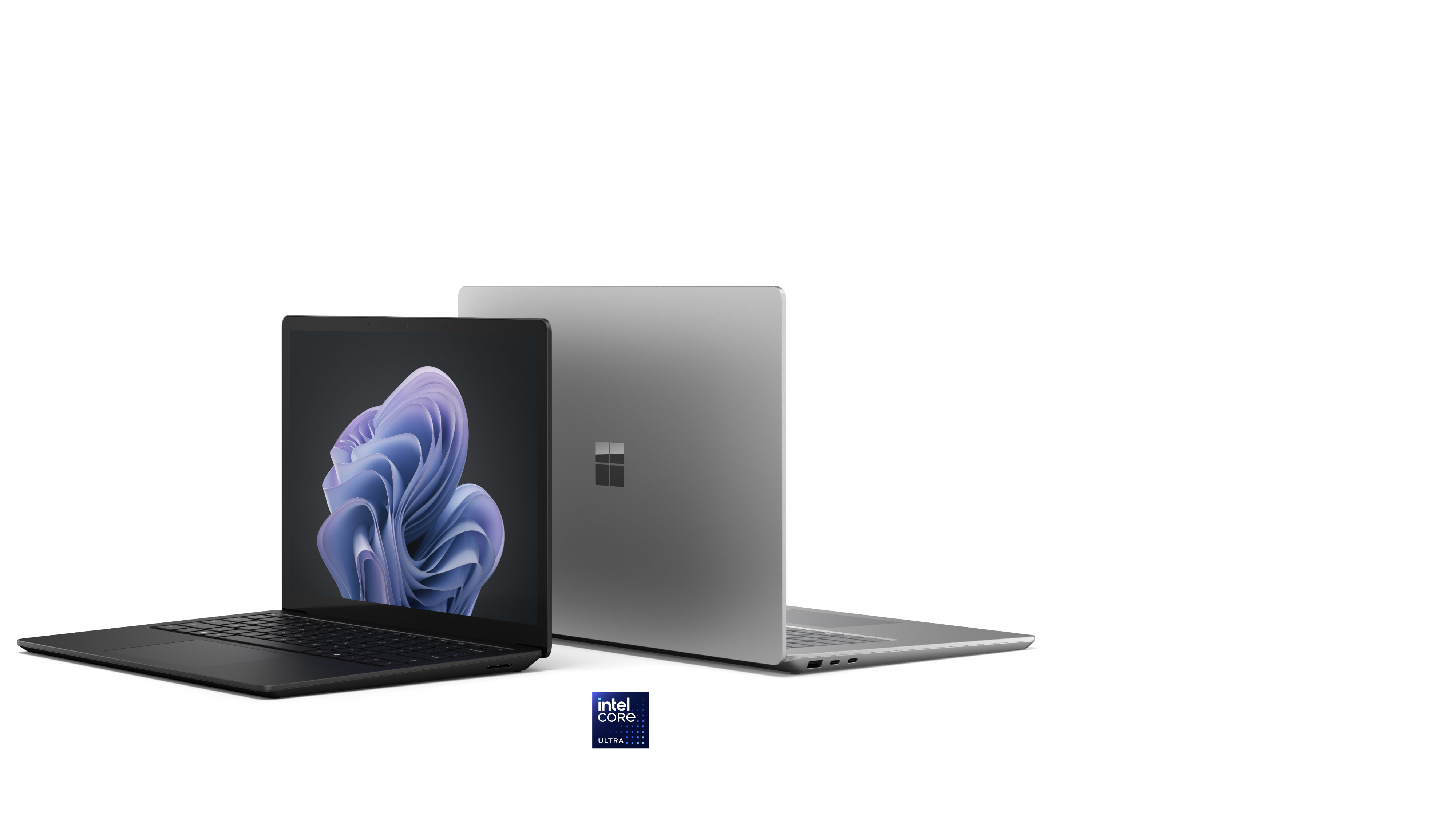
Microsoft Surface Laptop 6 (2026)
The Microsoft Surface Laptop 6 (2026) embodies Microsoft's vision for a premium Windows experience, featuring a distinctive 3:2 aspect ratio display ideal for productivity. Compared to the ASUS Zenbook 14 OLED, its PixelSense display offers excellent clarity and a taller aspect ratio, beneficial for documents and web browsing. While its performance is solid with Intel Core Ultra processors, it might not match the raw power of some higher-end competitors in intensive tasks. The minimalist design and excellent build quality are hallmarks, but port selection is somewhat limited, similar to the MacBook Air M3. It offers a refined user experience, especially for those invested in the Microsoft ecosystem, justifying its placement.
Standout Feature
Productivity-focused 3:2 aspect ratio display.
Pros
- Excellent PixelSense display with 3:2 ratio.
- Premium build quality and minimalist aesthetic.
- Comfortable keyboard and responsive trackpad.
- Good integration with Windows 11 features.
Cons
- Limited port selection (USB-C, USB-A).
- Performance can be surpassed by some rivals at this price.
Avoid If
- You need extensive port connectivity.
- You require the highest possible graphical performance.
- You prefer a touchscreen or 2-in-1 functionality.
Who It's Best For
The 3:2 screen is fantastic for reviewing documents and code, enhancing productivity in any location.
Its elegant design and solid performance make it suitable for client-facing roles.

LG Gram 16 (2026)
The LG Gram 16 (2026) redefines lightweight portability by offering a large 16-inch display in an astonishingly light chassis, far lighter than conventional 15-inch or 16-inch laptops. Compared to the Microsoft Surface Laptop 6, it provides a much larger screen real estate without a significant weight penalty. Its Intel Core Ultra processors offer capable performance for business tasks, and the long battery life ensures it can last through demanding workdays. While its build might not feel as rigidly premium as some metal-clad competitors, its sheer lightness and large screen make it uniquely appealing for users who need screen space on the go. This laptop secures its rank for maximizing screen size while minimizing weight.
Standout Feature
Massive 16-inch display in an ultra-light frame.
Pros
- Incredibly lightweight for its screen size.
- Large, immersive 16-inch display.
- Excellent battery life.
- Good selection of ports.
Cons
- Chassis flexes more than premium metal designs.
- Performance is good, not exceptional for the price.
Avoid If
- You need the most rugged build quality.
- You prioritize peak processing power over screen size.
- You are looking for a compact 13-inch laptop.
Who It's Best For
Ideal for multitasking with multiple windows open, providing ample screen space without being cumbersome.
Easily portable despite its large screen, reducing strain during daily commutes.
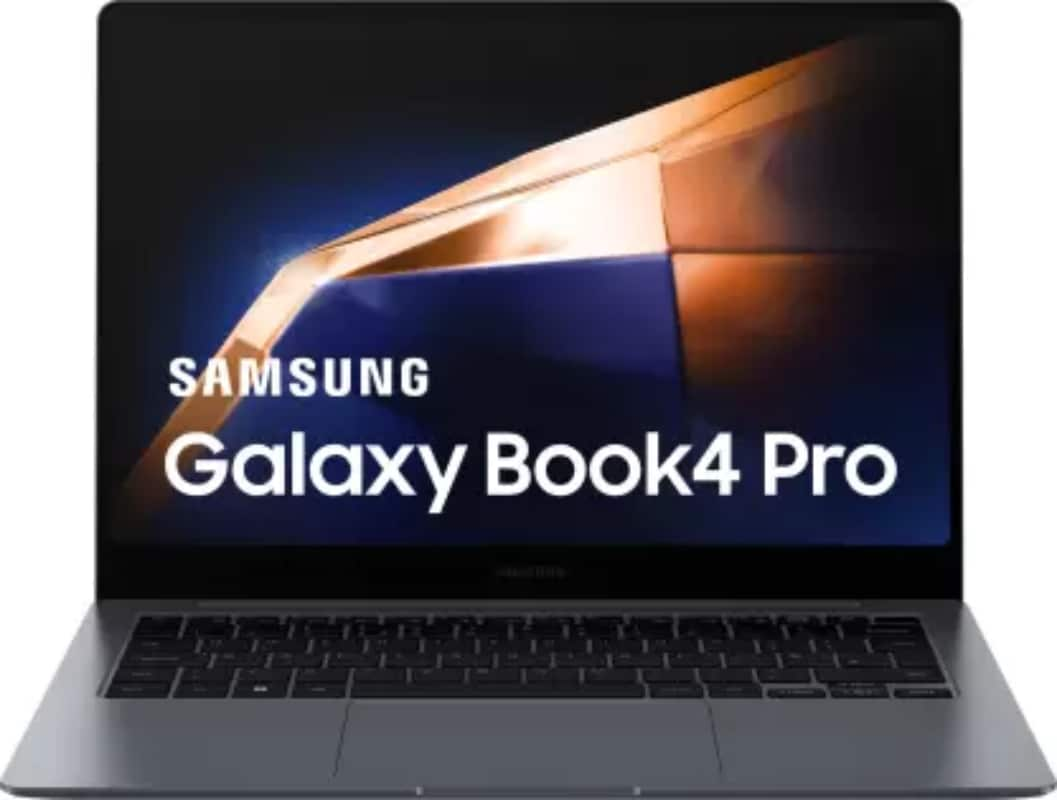
Samsung Galaxy Book4 Pro (2026)
The Samsung Galaxy Book4 Pro (2026) offers a sleek design and impressive AMOLED display, integrating well within the Samsung ecosystem. Compared to the LG Gram 16, it presents a more vibrant, though smaller, AMOLED screen and a more conventionally premium build. Its performance, driven by Intel Core Ultra processors, is suitable for most business tasks. Where it slightly trails the Microsoft Surface Laptop 6 is in its screen aspect ratio and potential ecosystem lock-in for non-Samsung users. The thin bezels and light weight make it highly portable, and its AMOLED screen provides stunning visuals for presentations and media. This laptop ranks well for its combination of display quality and modern design.
Standout Feature
Brilliant AMOLED touchscreen with vibrant colors.
Pros
- Stunning AMOLED display.
- Sleek, thin, and lightweight design.
- Good performance for productivity.
- Seamless integration with Samsung devices.
Cons
- Battery life can be inconsistent.
- Limited port selection.
Avoid If
- You require maximum port variety.
- You need the absolute longest battery life.
- You primarily use non-Samsung mobile devices.
Who It's Best For
Ideal for presenting visually rich content thanks to the vibrant AMOLED screen.
Combines portability with a beautiful display for both work and entertainment.

Acer Swift Go 14 (2026)
The Acer Swift Go 14 (2026) provides an outstanding balance of performance, features, and affordability, making it a strong value proposition. Compared to the Samsung Galaxy Book4 Pro, it offers a similar price point but typically features an IPS display rather than AMOLED, though often at a lower cost. Its Intel Core Ultra processors deliver solid performance for everyday business tasks, and its lightweight design ensures portability. While it may not match the premium materials or screen quality of higher-ranked competitors like the Dell XPS 13 Plus, it significantly undercuts them in price. This laptop earns its spot by delivering excellent core functionality and portability at a very competitive price, making it a smart buy.
Standout Feature
Exceptional value and strong performance for the price.
Pros
- Excellent price-to-performance ratio.
- Lightweight and portable design.
- Good selection of ports.
- Capabale performance for daily tasks.
Cons
- Build quality is good but not premium.
- Display brightness and color accuracy are average.
Avoid If
- You require a top-tier display.
- You need rugged construction for harsh environments.
- Your budget exceeds $1000.
Who It's Best For
A capable and affordable machine for coursework, research, and basic business tasks.
Delivers essential business functionality without breaking the bank.
Framework Laptop 13 (2026)
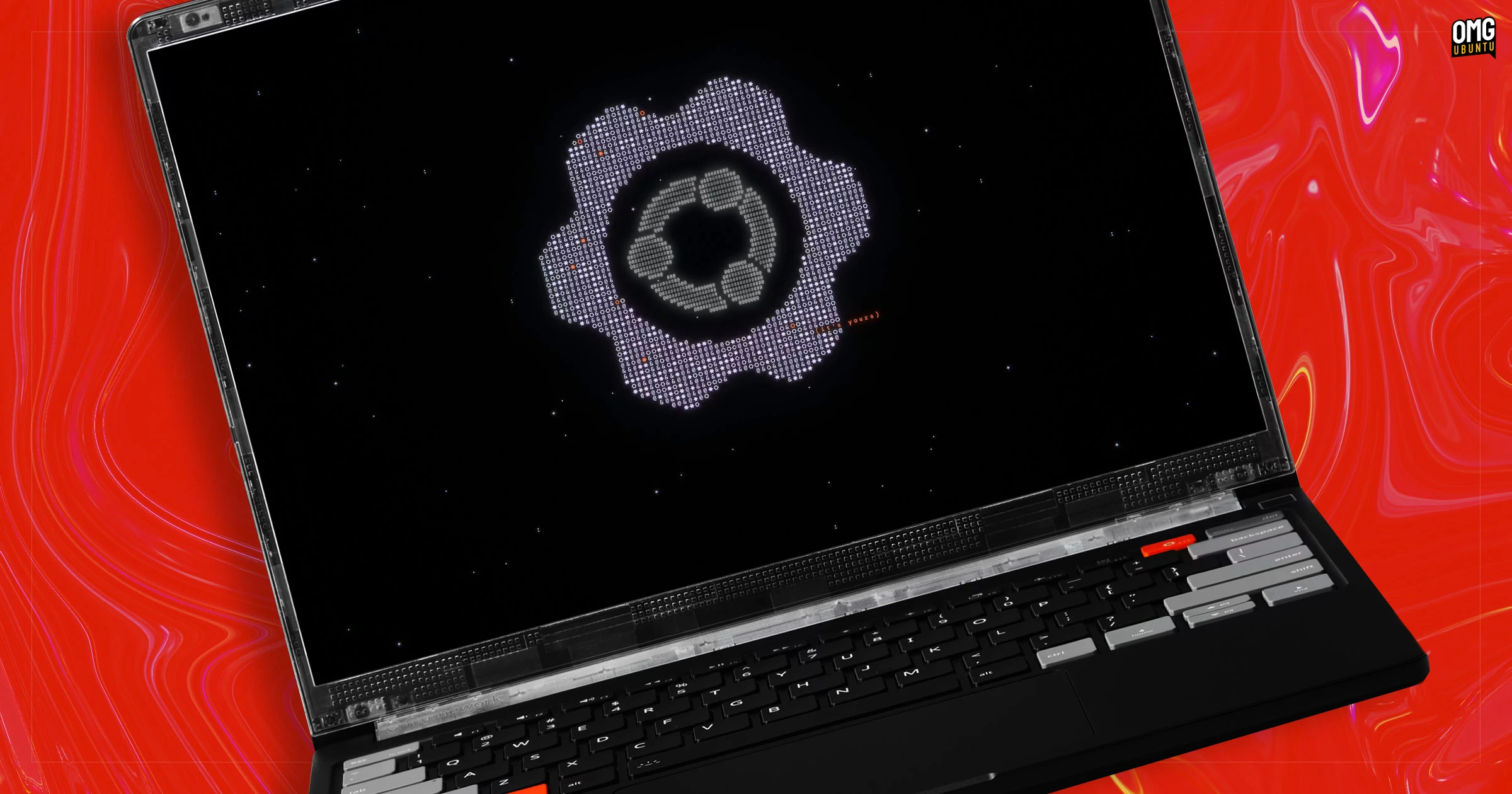
The Framework Laptop 13 (2026) offers unparalleled customization and repairability, appealing to tech-savvy professionals and those prioritizing sustainability. Unlike most laptops that use fixed components, its modular design allows for easy upgrades and replacements. Compared to the Acer Swift Go 14, it provides a unique DIY aspect and superior future-proofing potential, though initial setup might require more effort. Its performance with Intel Core Ultra processors is competitive, and the build quality is robust. While its out-of-the-box battery life might not match some sealed competitors, its repairability and customization options make it a standout choice for a specific user base. It ranks here for its innovative approach to laptop ownership.
Standout Feature
Highly customizable and repairable modular design.
Pros
- Exceptional repairability and upgradability.
- Highly customizable port selection.
- Durable aluminum chassis.
- Supports latest Intel Core Ultra processors.
Cons
- Requires DIY assembly or purchasing pre-built.
- Battery life may vary based on configuration.
- Less polished out-of-the-box experience than competitors.
Avoid If
- You want a laptop that's ready to go out of the box.
- You require the absolute lightest machine possible.
- You are not comfortable with basic hardware tasks.
Who It's Best For
Allows easy replacement of worn parts or upgrades to keep the laptop relevant longer.
Ideal for learning about hardware and customizing a machine to specific needs.
HP Elite Dragonfly G4 (2026)
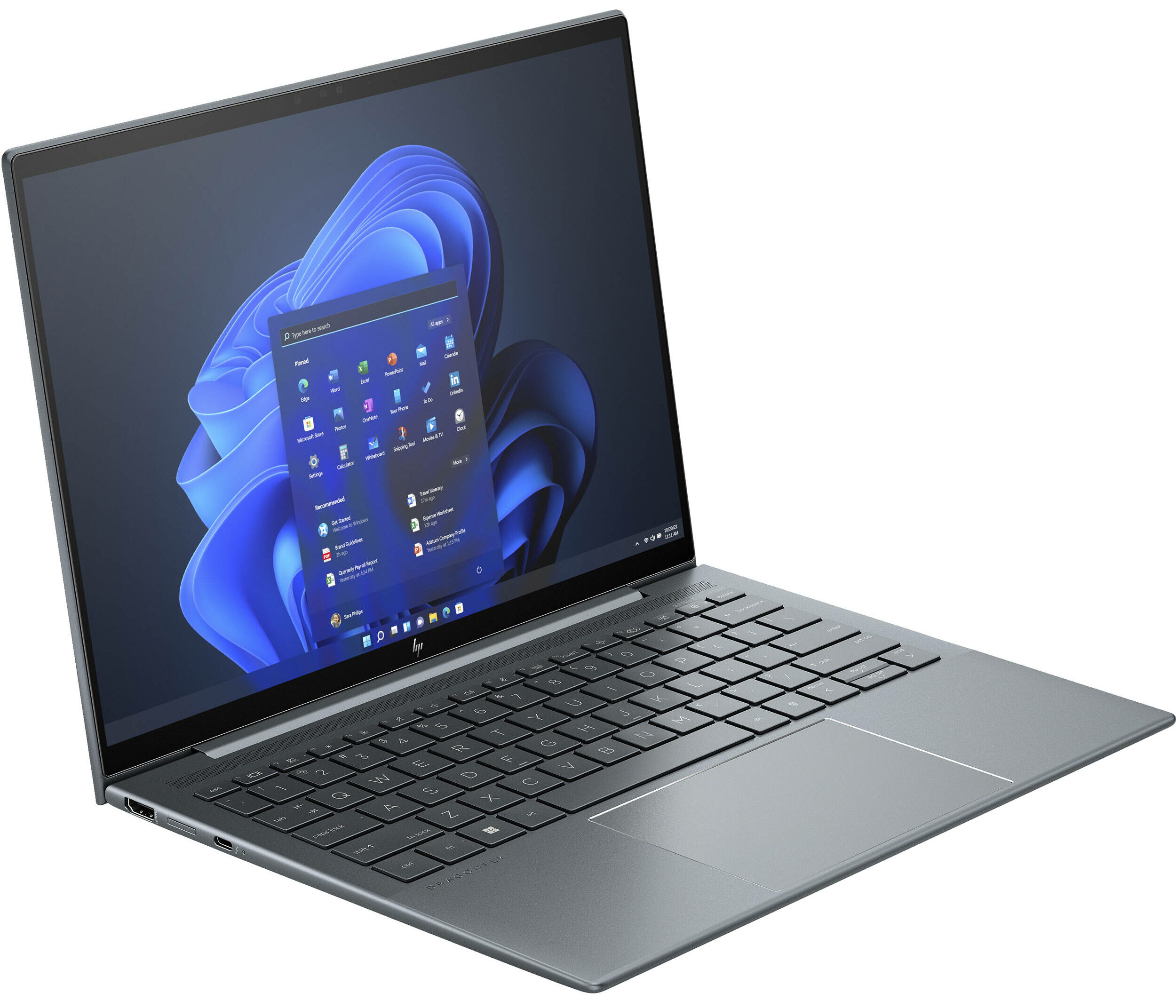
The HP Elite Dragonfly G4 is a premium ultrabook focused on mobility and security for enterprise users. It offers a stunning, lightweight design and excellent battery life, surpassing many standard business laptops. Compared to the Framework Laptop 13, it provides a more polished, consumer-ready experience with advanced security features built-in. Its performance is geared towards productivity tasks, and the display is bright and clear for various lighting conditions. While it carries a premium price tag, its robust build, security focus, and exceptional portability make it a strong contender for executives and mobile professionals who need a reliable, secure, and stylish device.
Standout Feature
Ultra-lightweight premium design with enterprise security.
Pros
- Extremely lightweight and durable.
- Advanced security features for business.
- Excellent battery life.
- Premium look and feel.
Cons
- Very high price point.
- Performance is good, but not top-tier for intensive tasks.
Avoid If
- You are on a budget.
- You need maximum processing power for heavy applications.
- You prioritize repairability over pre-built polish.
Who It's Best For
Ideal for executives who travel frequently and need a secure, reliable machine.
Its featherlight construction minimizes burden during daily commutes.
ASUS ROG Zephyrus G14 (2026)
The ASUS ROG Zephyrus G14 (2026) is a performance powerhouse that surprisingly manages to stay relatively lightweight, making it a unique option for professionals who also need gaming or creative capabilities. Compared to the HP Elite Dragonfly G4, it offers significantly more graphical power and cooling, though it's heavier and less business-focused in design. Its high-refresh-rate display is excellent for both gaming and smooth UI navigation. While not the absolute lightest, its performance-per-pound ratio is remarkable. This laptop is for the professional who demands high performance for demanding software or gaming alongside their business tasks, punching above its weight class.
Standout Feature
Compact chassis housing potent gaming and creation performance.
Pros
- Exceptional performance for its size.
- High-quality display with fast refresh rate.
- Capable of handling demanding games and creative software.
- Relatively portable for its power class.
Cons
- Battery life is average at best.
- Can run hot and loud under heavy load.
- More gamer-centric aesthetic.
Avoid If
- You prioritize battery life above all else.
- You need a discreet, traditional business aesthetic.
- Your primary use is light office work.
Who It's Best For
Handles demanding video editing, 3D rendering, and graphic design tasks on the go.
Balances professional productivity with high-end gaming capabilities for downtime.
For this use case
Best Technology for Hybrid Worker
- #1Dell XPS 13 Plus (2026)
Seamlessly transitions between home and office with its sleek design and robust performance.
- #2Apple MacBook Air M3 (2026)
A reliable companion for switching between home, office, and coffee shops, offering consistent performance.
- #3HP Spectre x360 14 (2026)
Perfect for taking notes in meetings or presenting ideas in tablet mode, then switching back to laptop for typing.
Lenovo Yoga Slim 7 Carbon (2026)
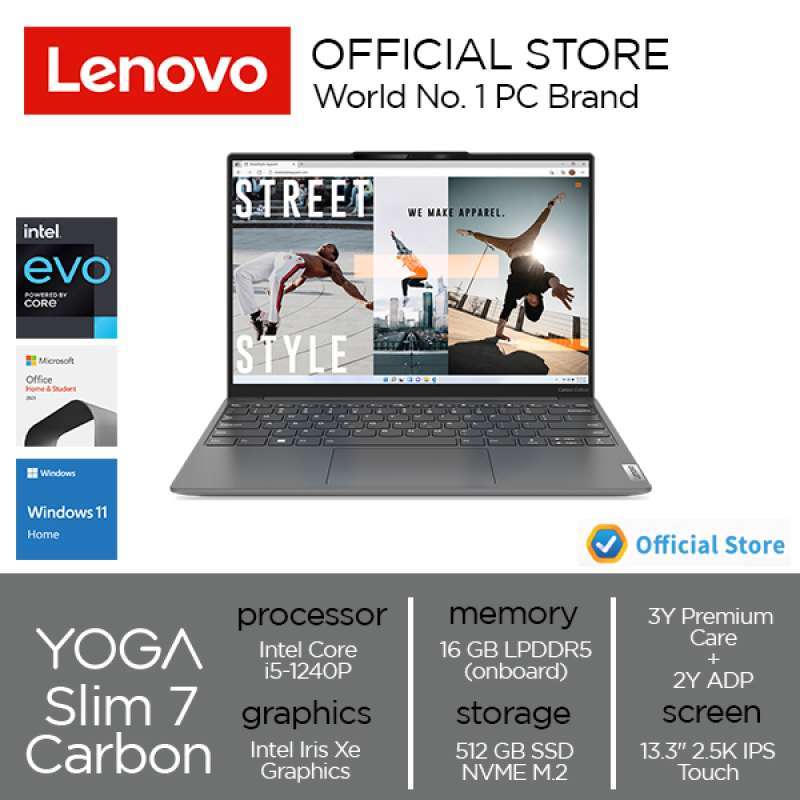
The Lenovo Yoga Slim 7 Carbon (2026) offers a compelling blend of a vibrant OLED display and lightweight construction, similar to the ASUS Zenbook 14 OLED but often with slightly different configurations. Compared to the ASUS ROG Zephyrus G14, it prioritizes portability and display quality over raw gaming power. Its slim and light carbon fiber build makes it easy to carry, and the OLED screen provides excellent contrast and color. Performance is solid for business applications, though it won't compete with dedicated workstations. This laptop is a great choice for professionals who value a beautiful visual experience and portability for everyday tasks, representing strong value.
Standout Feature
Lightweight carbon fiber build with a stunning OLED screen.
Pros
- Gorgeous OLED display.
- Very lightweight and slim carbon fiber chassis.
- Good performance for productivity.
- Attractive minimalist design.
Cons
- Limited port selection.
- Can experience thermal throttling under sustained load.
Avoid If
- You need extensive legacy ports.
- You plan on running highly demanding professional software.
- You need the absolute most rugged build.
Who It's Best For
Ideal for presentations and multimedia consumption with its superior display quality.
Easy to carry between meetings and while traveling, offering a premium visual experience.
Razer Blade 14 (2026)
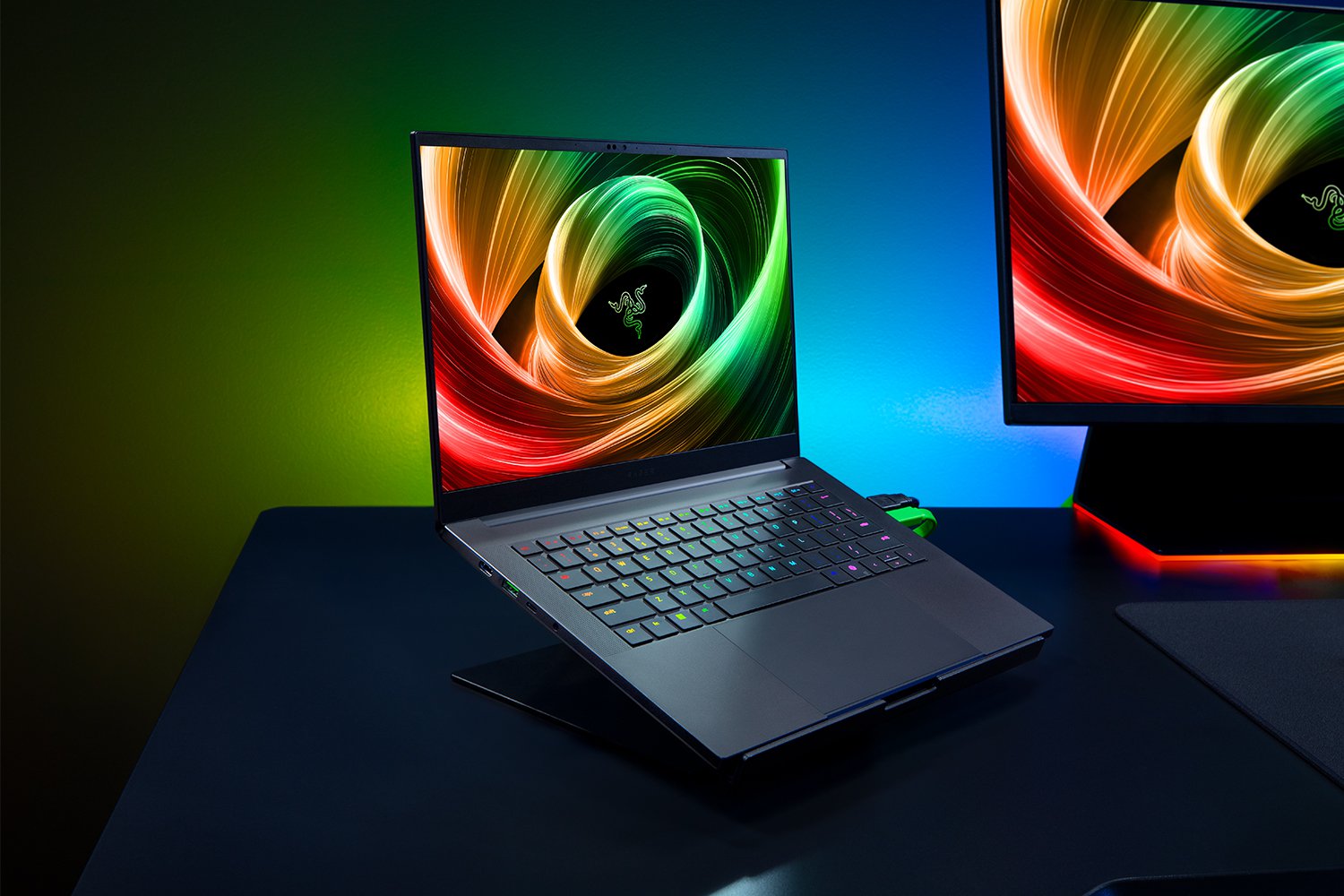
The Razer Blade 14 (2026) is a premium gaming laptop that’s surprisingly compact and well-built, making it a viable, albeit expensive, option for professionals needing high performance. Compared to the ASUS ROG Zephyrus G14, it offers a more refined, understated design aesthetic and often a slightly more premium feel, but at a higher cost. Its powerful internals can handle intense workloads, from gaming to video editing. However, like other gaming-focused machines, battery life is a significant compromise, and it carries a substantial price tag. This laptop ranks for its ability to pack immense power into a relatively small and sleek chassis, appealing to professionals who don't want to compromise on performance.
Standout Feature
Powerful gaming performance in a sleek, compact laptop.
Pros
- Top-tier performance for gaming and demanding apps.
- Excellent build quality and premium materials.
- Relatively compact for a high-performance laptop.
- High-refresh-rate display.
Cons
- Very expensive.
- Poor battery life.
- Can get very hot and loud.
Avoid If
- You need all-day battery life.
- Your budget is under $1500.
- You prefer a quiet, subtle laptop.
Who It's Best For
Handles demanding tasks like 3D rendering and video editing with ease.
For professionals who also game and need a powerful machine for both work and play.
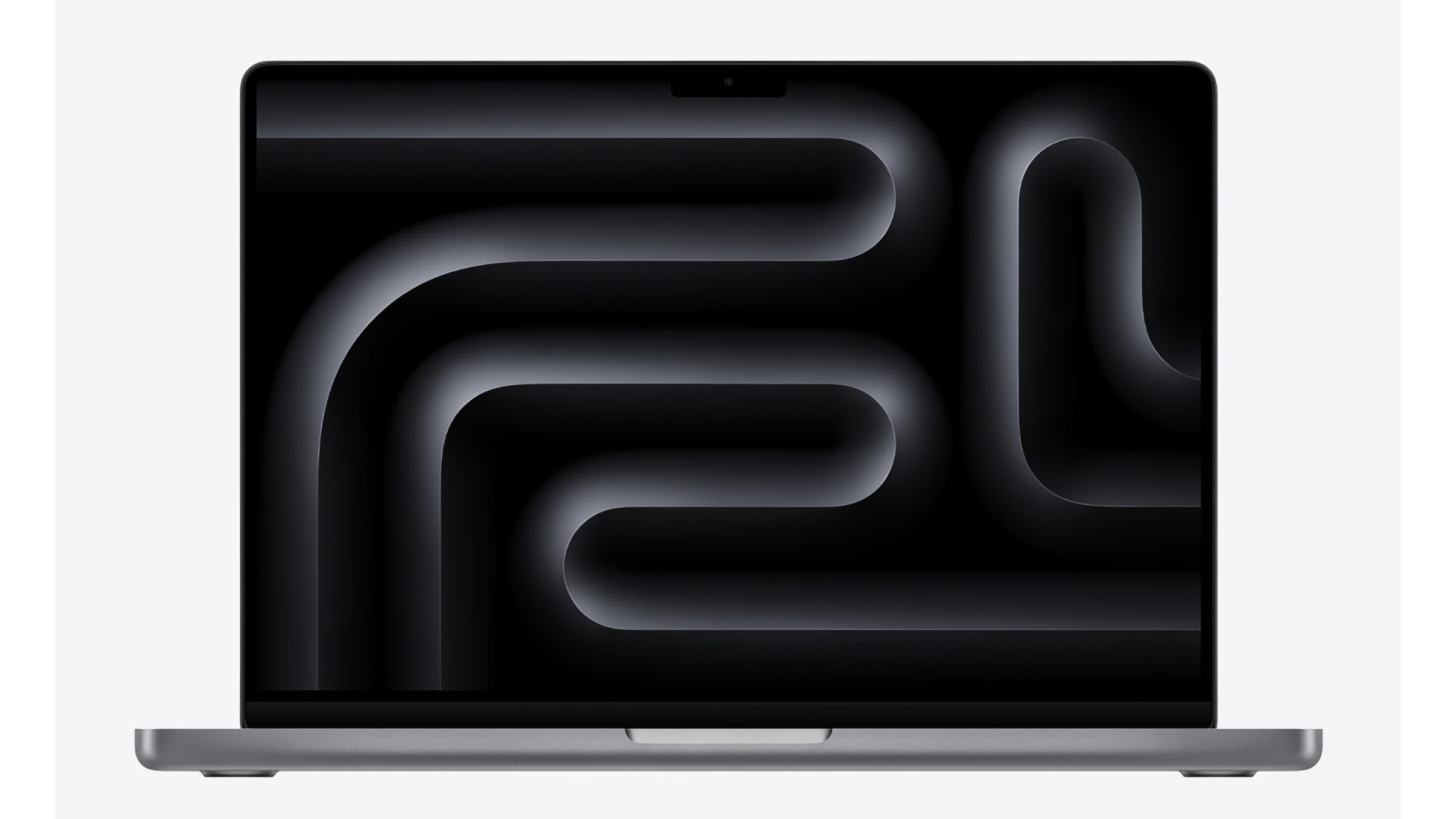
Apple MacBook Pro 14-inch (M3 Pro/Max) (2026)
The Apple MacBook Pro 14-inch (2026) with M3 Pro or M3 Max chips offers unparalleled performance for creative professionals and power users within the Apple ecosystem. Compared to the Razer Blade 14, it delivers significantly better battery life and a more power-efficient performance profile, albeit with less gaming-centric hardware. Its Liquid Retina XDR display is arguably the best on the market for color accuracy and brightness. While it's heavier and more expensive than the MacBook Air M3, its raw power is unmatched for tasks like video editing, code compilation, and complex simulations. This laptop ranks for its extreme performance and best-in-class display for demanding professional workflows.
Standout Feature
Best-in-class performance and display for creative pros.
Pros
- Blazing-fast M3 Pro/Max chip performance.
- Exceptional Liquid Retina XDR display.
- Excellent battery life for a performance laptop.
- Robust build quality and macOS ecosystem.
Cons
- Very expensive.
- Heavier and thicker than MacBook Air.
- Limited port selection compared to some Windows laptops.
Avoid If
- You need a budget-friendly or ultra-light option.
- You rely heavily on Windows-specific software.
- You prioritize upgradability.
Who It's Best For
Ideal for intensive video editing, 3D rendering, and graphic design work.
Handles large codebases, complex builds, and virtual environments efficiently.

Dell Inspiron 14 Plus (2026)
The Dell Inspiron 14 Plus (2026) offers a solid, mainstream option for users seeking a reliable laptop for everyday business tasks without a premium price tag. Compared to the Apple MacBook Pro 14, it is significantly more affordable and runs Windows. Its Intel Core Ultra processor provides good performance for general productivity, and the display is decent for everyday use. While it lacks the cutting-edge features or premium build materials of higher-end models like the Dell XPS 13 Plus, it delivers dependable performance and portability for its class. This laptop ranks as a practical, value-oriented choice for users who need a capable machine for common business applications.
Standout Feature
Reliable performance and good value for everyday tasks.
Pros
- Good performance for common business applications.
- Affordable price point.
- Decent build quality for the price.
- Comfortable keyboard.
Cons
- Display quality is average.
- Battery life is good, but not outstanding.
- Design is functional rather than premium.
Avoid If
- You need a high-end, premium display.
- You require extreme portability (under 2.5 lbs).
- You plan on heavy gaming or video editing.
Who It's Best For
A solid choice for managing coursework, research, and basic professional tasks.
Provides essential computing power for daily work at an accessible price.
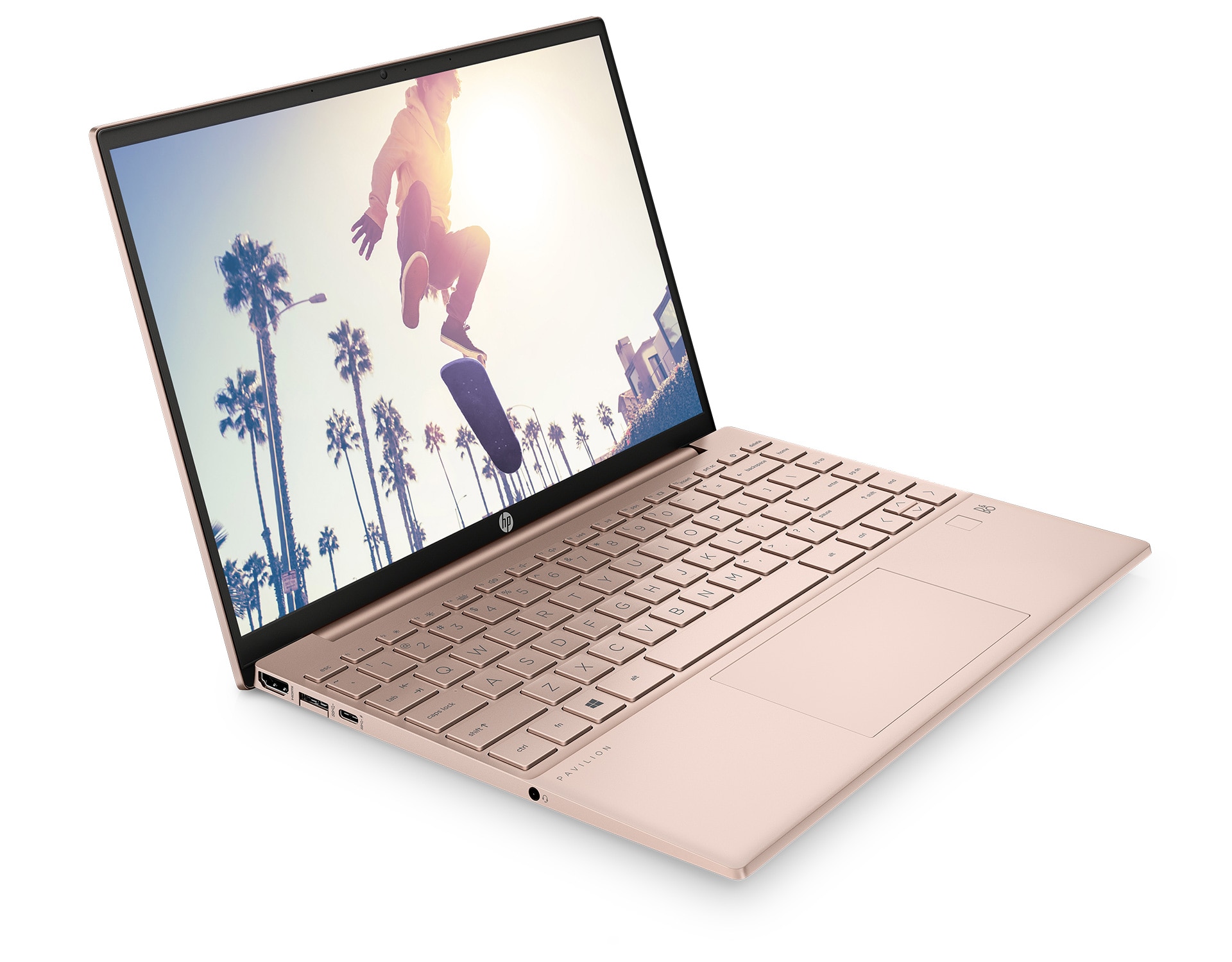
HP Pavilion Aero 13 (2026)
The HP Pavilion Aero 13 (2026) is one of the lightest laptops available, making it an exceptional choice for extreme portability, especially compared to the more powerful but heavier Dell Inspiron 14 Plus. Its magnesium-aluminum chassis contributes to its featherlight weight, while still offering decent performance for everyday business tasks with its AMD Ryzen processors. The display is bright and clear, suitable for most users. While it might not have the robust build or cutting-edge features of premium ultrabooks, its sheer lightness and affordability make it stand out for users who value portability above all else. It earns its spot as a go-to for maximum mobility.
Standout Feature
Astonishingly lightweight design for maximum portability.
Pros
- Extremely lightweight (under 2.2 lbs).
- Affordable price point.
- Good performance for everyday tasks.
- Bright display.
Cons
- Build quality is good but not premium.
- Limited port selection.
- AMD integrated graphics are basic.
Avoid If
- You need a robust, premium build.
- You require high-end gaming or creative performance.
- You want a larger screen size.
Who It's Best For
Almost unnoticeable in a bag, making daily commutes effortless.
Perfect for working on the go, from cafes to airplanes, with minimal bulk.
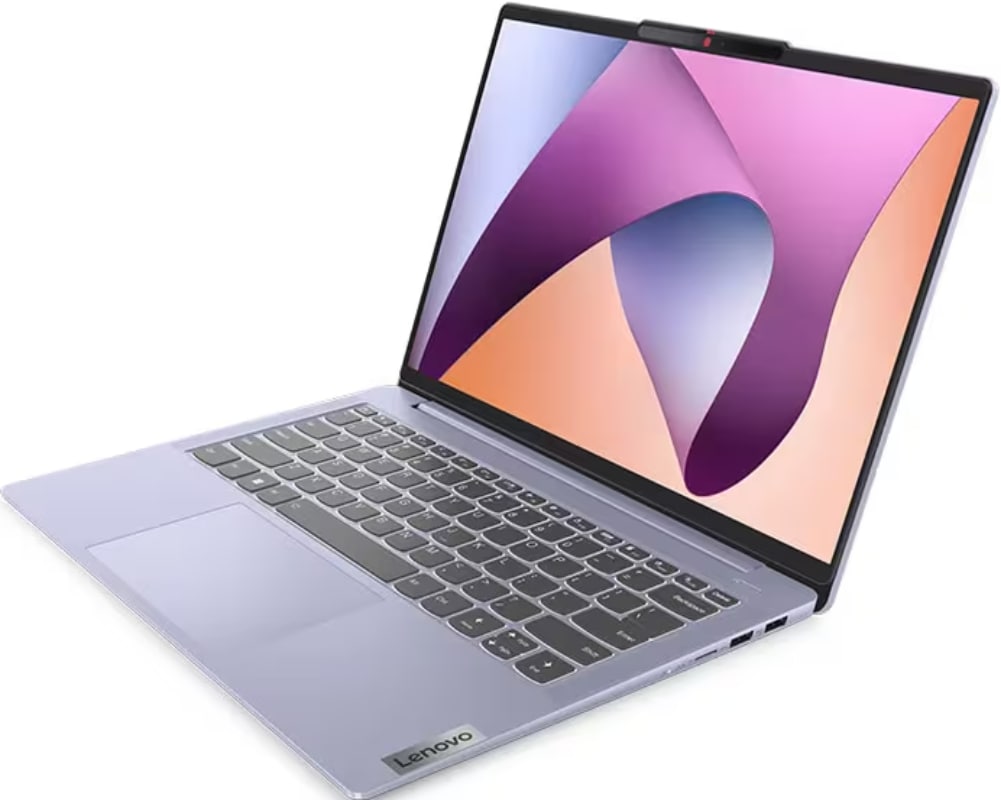
Lenovo IdeaPad Slim 5 (2026)
The Lenovo IdeaPad Slim 5 (2026) offers a balanced package of features, performance, and affordability, making it a solid all-around choice for business users. Compared to the HP Pavilion Aero 13, it's slightly heavier but often provides a more robust build and sometimes better screen options at a similar price. Its Intel Core Ultra processors ensure smooth performance for typical office workloads. While it doesn't boast the ultra-premium materials of higher-end ThinkPads or XPS models, it provides a comfortable typing experience and a durable chassis suitable for daily use. This laptop ranks as a reliable and practical option for general business computing needs.
Standout Feature
Balanced features, performance, and value for daily use.
Pros
- Good performance for multitasking.
- Comfortable keyboard and trackpad.
- Durable build quality for the price.
- Affordable pricing.
Cons
- Display brightness is average.
- Design is functional, not particularly striking.
- Slightly heavier than ultraportables.
Avoid If
- You need the absolute lightest laptop.
- You require a premium display or build materials.
- Your workload involves intensive graphical tasks.
Who It's Best For
A dependable machine for tasks at home and in the office, offering good productivity.
Handles academic work and entry-level professional tasks competently.
For this use case
Best Technology for Frequent Commuter
- #4Lenovo ThinkPad X1 Carbon Gen 12 (2026)
Its featherlight weight makes daily commutes effortless, even when carrying other gear.
- #7LG Gram 16 (2026)
Easily portable despite its large screen, reducing strain during daily commutes.
- #11HP Elite Dragonfly G4 (2026)
Its featherlight construction minimizes burden during daily commutes.
ASUS Vivobook S 14 OLED (2026)
The ASUS Vivobook S 14 OLED (2026) offers a vibrant OLED display and a stylish, lightweight design at a competitive price, making it a strong alternative to the Lenovo IdeaPad Slim 5. Compared to the IdeaPad, it provides a superior visual experience thanks to its OLED panel, though its chassis might feel slightly less robust. Its Intel Core Ultra processors deliver solid performance for everyday business tasks. The slim bezels and modern aesthetic make it appealing, and it strikes a good balance between portability and functionality. This Vivobook model ranks here for bringing premium display technology to a more accessible and portable form factor.
Standout Feature
Vibrant OLED display in a stylish, portable design.
Pros
- Stunning OLED display.
- Attractive, lightweight design.
- Good performance for daily tasks.
- Competitive pricing for its features.
Cons
- Battery life is average.
- Build quality is good but not top-tier.
- OLED screen requires care with static images.
Avoid If
- You need the absolute longest battery life.
- You prioritize maximum durability.
- You work primarily in extremely bright sunlight.
Who It's Best For
Perfect for enjoying multimedia content or presenting with rich colors and contrast.
Provides a visually engaging experience for research and entertainment.

LG Gram 14 (2026)
The LG Gram 14 (2026) is designed for ultimate portability, offering a 14-inch screen in an incredibly light package, even lighter than the already featherweight HP Pavilion Aero 13. Compared to the ASUS Vivobook S 14 OLED, it prioritizes lightness and battery life over display technology like OLED, featuring a standard IPS panel. Its Intel Core Ultra processors provide sufficient power for business tasks, and the extended battery life is a significant advantage for mobile professionals. While its design is functional rather than flashy, and the display is good but not exceptional, its extreme portability and endurance make it a top choice for those who carry their laptop everywhere. It ranks last but remains a compelling option for ultra-mobile users.
Standout Feature
Extremely light 14-inch laptop with long battery endurance.
Pros
- Incredibly lightweight construction.
- Excellent battery life.
- Good 14-inch display.
- Decent port selection.
Cons
- Chassis can feel less rigid than metal competitors.
- Performance is adequate, not groundbreaking.
- IPS display lacks the vibrancy of OLED.
Avoid If
- You need the most premium build materials.
- You prioritize a vibrant OLED display.
- You require maximum processing power.
Who It's Best For
The ideal companion for constant travel, minimizing physical burden.
Barely noticeable weight makes it the ultimate portable work machine.
Quick Comparison
Quick Feature Comparison
| Product | Price | Weight | Battery Life | Display Size | CPU Generation |
|---|---|---|---|---|---|
| ★Dell XPS 13 Plus (2026) | $1299 - $1699 | ★2.73 lbs | Up to 12 hrs | 13.4-inch | Intel Core Ultra 7/9 |
| Apple MacBook Air M3 (2026) | $1099 - $1499 | 2.7 lbs | ★Up to 18 hrs | 13.6-inch | Apple M3 |
| HP Spectre x360 14 (2026) | $1199 - $1599 | 3.01 lbs | 10-12 hrs | 13.5-inch | Intel Core Ultra 7 |
| Lenovo ThinkPad X1 Carbon Gen 12 (2026) | $1499 - $1899 | ★2.48 lbs | 10-14 hrs | 14-inch | Intel Core Ultra 7 |
| ASUS Zenbook 14 OLED (2026) | $899 - $1199 | 2.9 lbs | 9-11 hrs | 14-inch | Intel Core Ultra 5/7 |
| Microsoft Surface Laptop 6 (2026) | $1199 - $1599 | 2.79 lbs | 10-13 hrs | 13.5-inch | Intel Core Ultra 5/7 |
| LG Gram 16 (2026) | $1299 - $1699 | 2.5 lbs | 10-14 hrs | ★16-inch | Intel Core Ultra 5/7 |
| Samsung Galaxy Book4 Pro (2026) | $1199 - $1499 | 2.6 lbs | 9-11 hrs | 14-inch | Intel Core Ultra 5/7 |
| Acer Swift Go 14 (2026) | $749 - $999 | 2.76 lbs | 8-10 hrs | 14-inch | Intel Core Ultra 5 |
| Framework Laptop 13 (2026) | $849 - $1299 | 2.85 lbs | 7-9 hrs | 13.5-inch | Intel Core Ultra 5/7 |
Read before you buy
Buying Guide
Key Features for Business Mobility
When selecting a lightweight business laptop, pay close attention to its weight and dimensions; ideally, under 3 pounds is considered truly portable. Battery life is paramount, aiming for 10+ hours of real-world usage to avoid being tethered to an outlet. A comfortable and responsive keyboard with good key travel enhances productivity during long work sessions. Screen quality matters, with Full HD (1920x1080) resolution being a minimum, and IPS panels offering better viewing angles and color accuracy. Connectivity is also crucial; ensure sufficient USB-A and USB-C ports, HDMI, and reliable Wi-Fi 6 or 6E. For business applications, prioritize at least 16GB of RAM for smooth multitasking and a 512GB NVMe SSD for fast boot times and application loading. Consider security features like fingerprint readers or Windows Hello facial recognition for added protection.
Performance vs. Price Trade-offs
The market for lightweight business laptops presents a clear performance-versus-price trade-off. Premium ultrabooks often feature the latest Intel Core Ultra or AMD Ryzen processors, cutting-edge displays, and exceptional build quality, but come with a higher price tag. These devices offer superior performance for demanding tasks like video editing or complex data analysis, alongside longer battery life and lighter chassis. Mid-range options strike a balance, providing capable processors (like Intel Core i5 or AMD Ryzen 5), sufficient RAM and storage for most business needs, and decent build quality at a more accessible price point. Budget-friendly models may compromise on materials, screen brightness, processor speed, or storage capacity, making them suitable for basic productivity tasks such as email, web browsing, and document editing. Identifying your primary workload will help determine the necessary performance level and guide you toward the best value.
Avoiding Common Buying Mistakes
A common mistake is overspending on features you don't need or underspending and ending up with a machine that hinders productivity. Don't be swayed solely by marketing jargon; focus on concrete specifications relevant to your work. For instance, opting for a laptop with a dazzling 4K OLED screen might seem appealing, but it can significantly drain battery life, which is often more critical for business users. Similarly, excessive RAM beyond 16GB is often unnecessary for standard business tasks and inflates the cost. Another pitfall is neglecting keyboard and trackpad quality; a poor input experience can drastically reduce efficiency and comfort. Always check reviews for mentions of build quality, thermal performance (does it get too hot under load?), and the reliability of the webcam and microphones, which are essential for modern remote work.
Matching Laptops to Your Workflow
Different business roles demand different laptop capabilities. For the frequent traveler, prioritize the absolute lightest chassis, longest battery life, and rugged build quality. Devices like the Dell XPS 13 Plus or MacBook Air M3 excel here. If your work involves heavy multitasking, multiple applications running simultaneously, or occasional creative software use, opt for a laptop with a more powerful processor (Intel Core Ultra 7/9 or AMD Ryzen 7/9) and at least 16GB of RAM. The Lenovo ThinkPad X1 Carbon Gen 12 or HP Spectre x360 14 are strong contenders in this segment. For budget-conscious professionals or those with simpler needs like email, web browsing, and document editing, look at mid-range options such as the Acer Swift 3 or ASUS Zenbook 14. They offer a good balance of performance and affordability without significant compromises on essential features.
Frequently Asked Questions
What does 'lightweight' mean for a business laptop in 2026?
Generally, a lightweight business laptop weighs under 3 pounds (approx. 1.36 kg). Some ultraportables can even dip below 2.5 pounds, making them exceptionally easy to carry.
How much RAM and storage do I need for business tasks?
For most business professionals, 16GB of RAM is the sweet spot for smooth multitasking. A 512GB NVMe SSD offers fast performance and ample storage for documents, applications, and files. If you handle very large datasets or video editing, consider 32GB RAM and 1TB SSD.
Are touchscreen laptops good for business?
Touchscreen functionality can be beneficial for presentations, note-taking, or quick interactions, especially on 2-in-1 convertible laptops. However, it can slightly increase cost and sometimes reduce battery life compared to non-touch models. Evaluate if your workflow truly benefits from touch input.
What are the key differences between Intel Core Ultra and Apple M3 chips for business?
Intel Core Ultra offers strong performance across a range of Windows laptops, often with integrated graphics suitable for productivity and light creative tasks. Apple's M3 chip (found in MacBooks) excels in power efficiency, delivering exceptional battery life and robust performance, particularly for creative applications, but is exclusive to macOS.
Should I prioritize battery life or performance in a lightweight business laptop?
For most business users, battery life is critical for productivity on the go. Aim for laptops that promise at least 8-10 hours of real-world usage. If your work involves intensive tasks like video editing or compiling code, you may need to balance battery life with higher performance components, potentially accepting shorter unplugged usage times.
Keep exploring